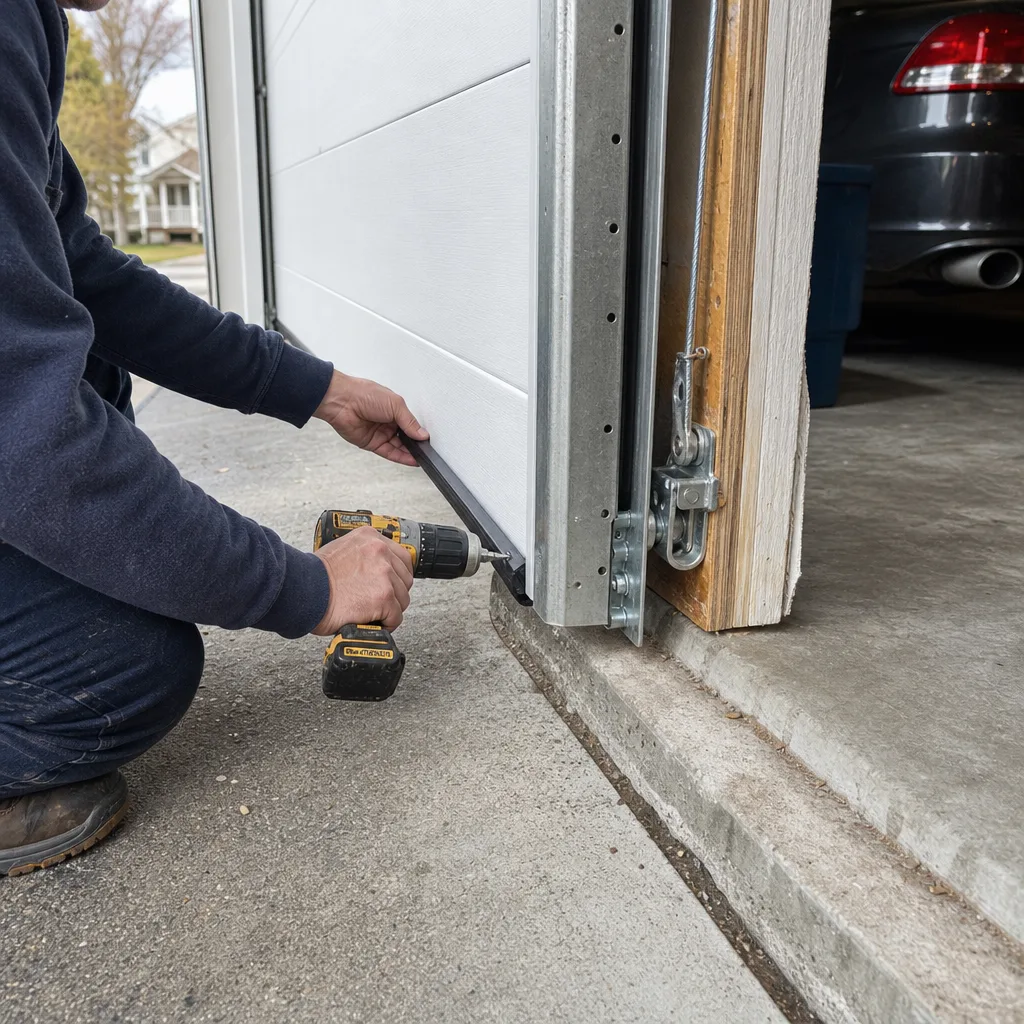
Last updated November 23, 2026
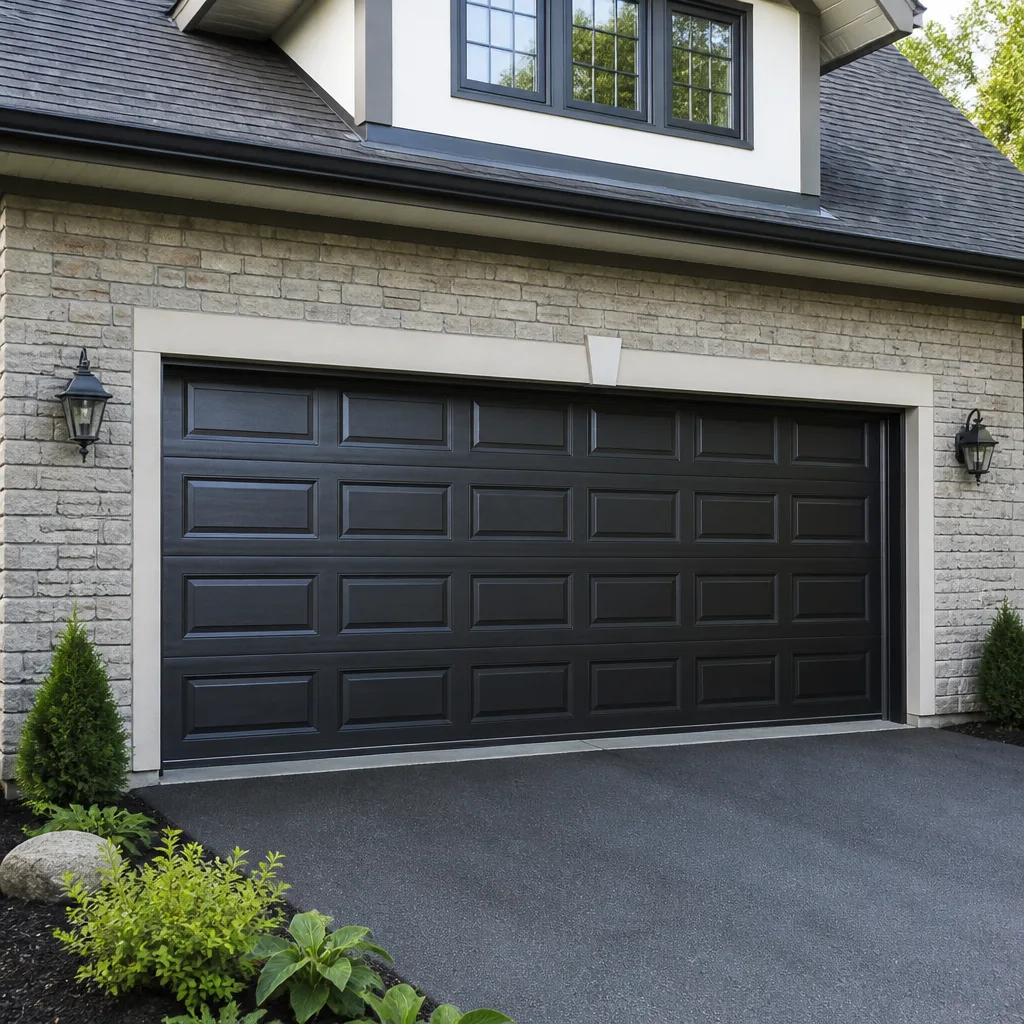 Raised-panel steel
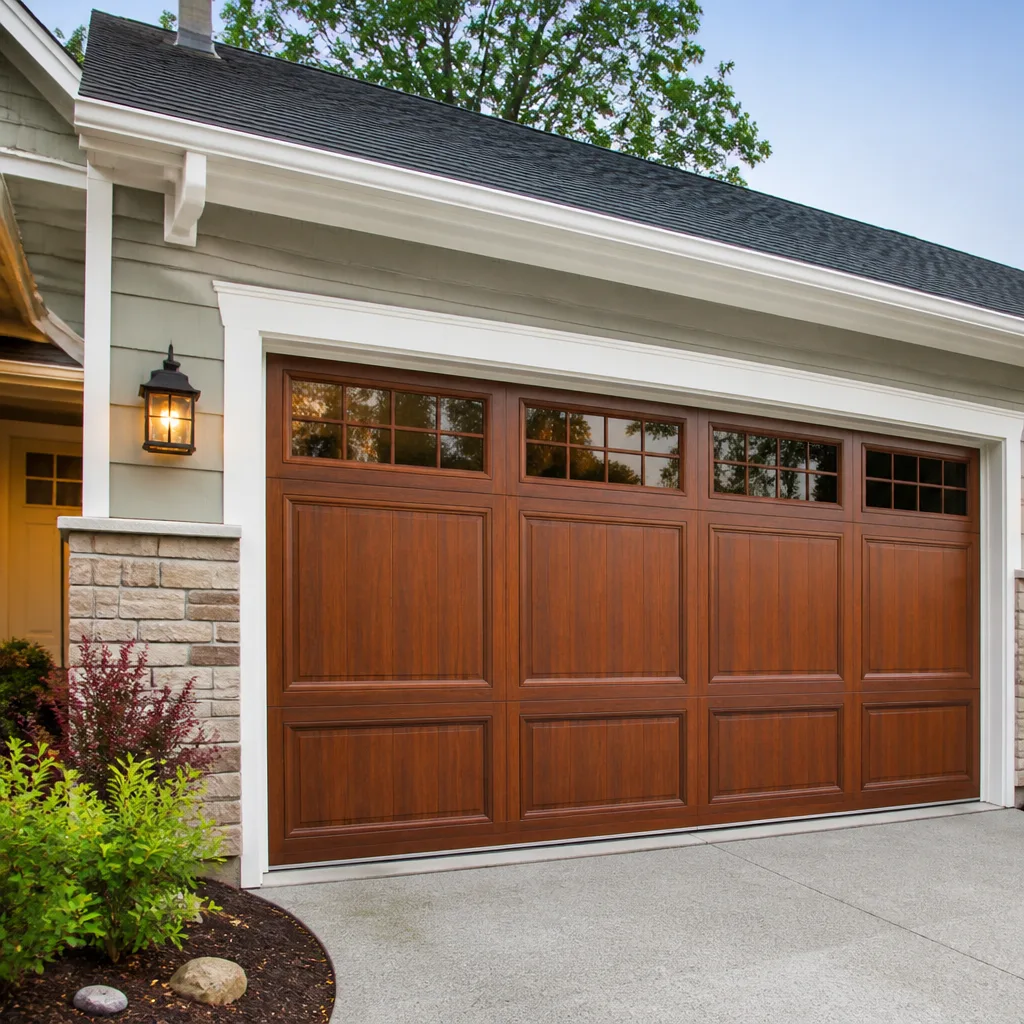
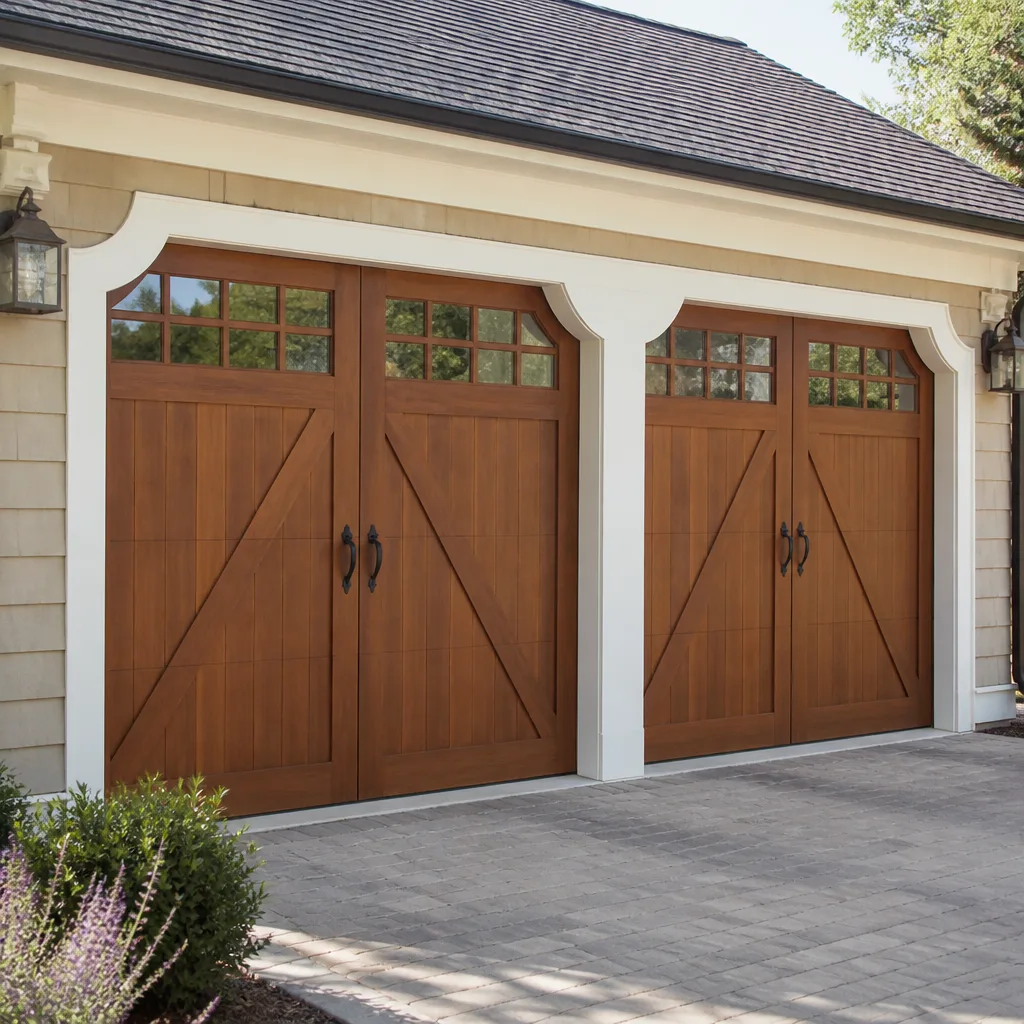 Carriage house
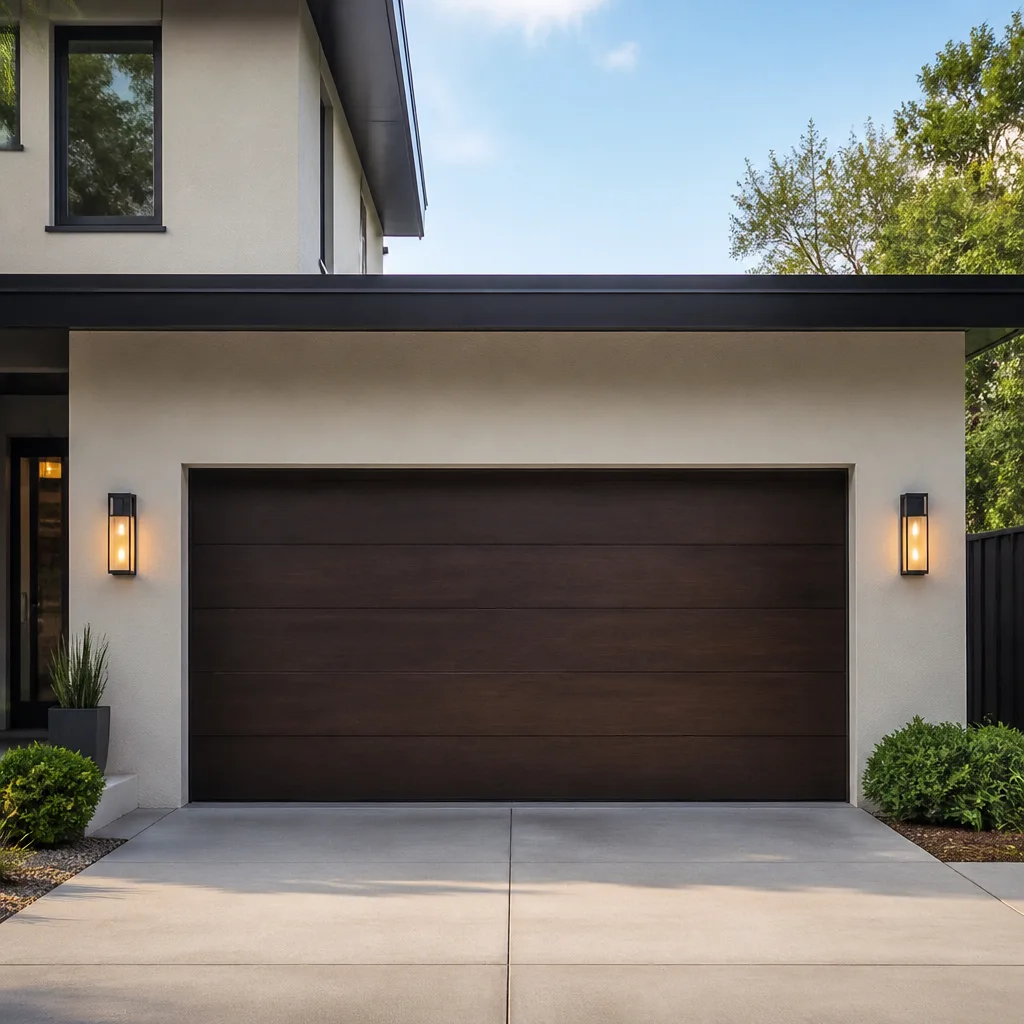 Modern flush
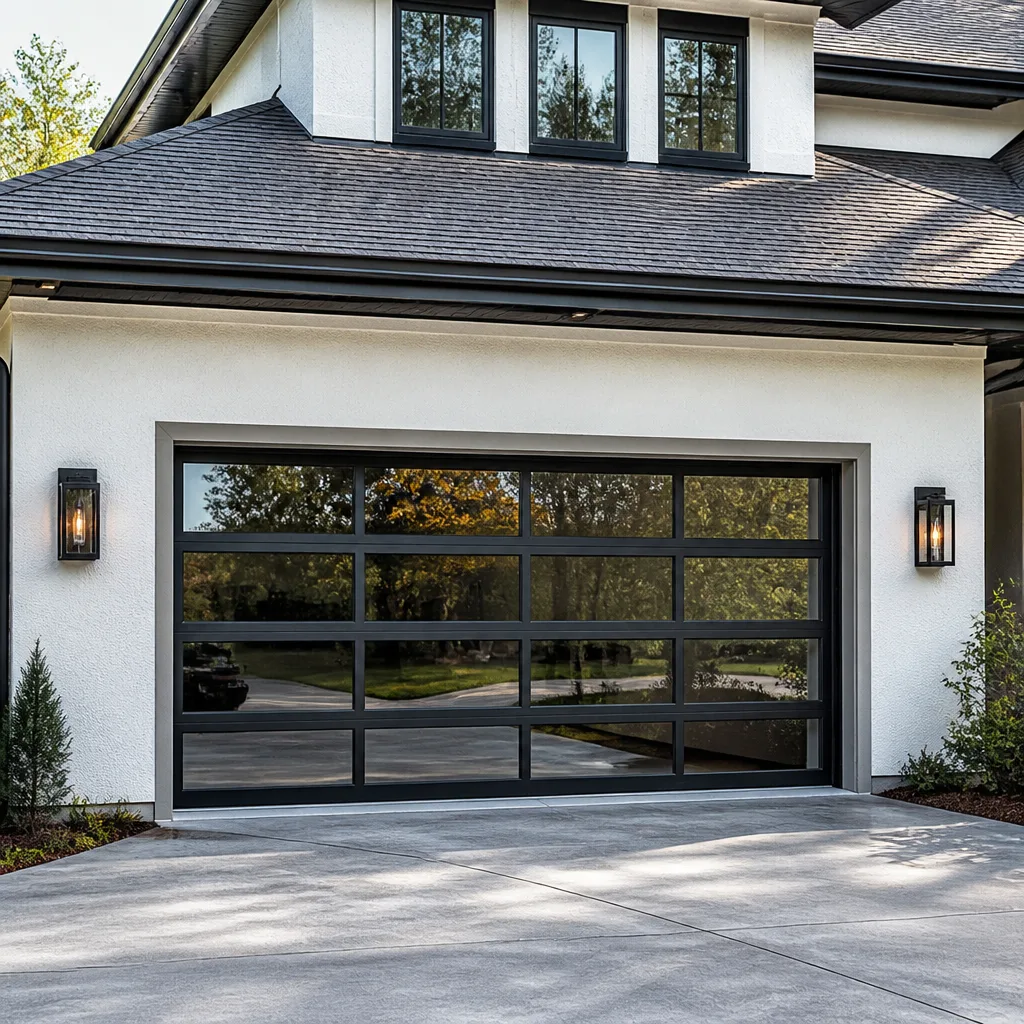 Full-view glass
 LiftMaster openers
 Chamberlain openers
Full 25-point door and opener safety check with every visit - springs, cables, rollers, tracks, and your LiftMaster or Chamberlain opener included
You get a price before we start. It does not change when the pro arrives.
Get your free estimateHow to Hire a Garage Door Contractor in Norwalk: A Step-by-Step Guide
The cheapest quote you’ll get for a garage door installation in Norwalk often comes from someone who won’t pull a permit, won’t carry real liability coverage, and won’t answer the phone when the spring snaps in February. That’s the uncomfortable truth about shopping this trade on price alone. A garage door is the largest moving object attached to your house, and the company you pick decides whether it runs safely for years or turns into a repair bill that keeps growing. This guide walks you through the exact questions that separate a careful, insured, permitted contractor from a contractor who disappears after the check clears, so your first call is your last. We’ll cover the documents to request in Connecticut, how to read a quote across different component specs, and what a warranty actually protects.
Quick Answer
To hire a garage door contractor in Norwalk, verify three things before anyone touches your door: current Connecticut registration and insurance certificates with your name listed, a written agreement that the contractor will pull the permit, and a written quote that names the brand and specs of every part, not just a lump-sum total. Compare spring cycle ratings, opener horsepower, and panel gauge side by side instead of comparing the bottom line. Get the warranty in writing, ask whether it covers parts, labor, or both, and confirm the price is quoted and agreed before any work starts.
Styles & brands we work with
- Raised-panel steel
- Carriage house
- Modern flush
- Full-view glass
- LiftMaster openers
- Chamberlain openers
Table of Contents
- What documents should you ask for before hiring?
- How do you verify a garage door contractor in Connecticut?
- Why “we pull the permit” has to be in writing
- Red flags specific to garage door quotes
- How to compare quotes by component spec, not total price
- What a real warranty on parts vs. labor looks like
- Springs, openers, and the safety questions that matter most
- The exact questions to ask on the phone
What documents should you ask for before hiring?
A reputable garage door contractor in Norwalk will hand over three documents without hesitation or drama. The request itself tells you a lot: a contractor who treats “can I see your paperwork?” as an insult is telling you something. Ask before the appointment, not after the truck is in your driveway.
The three to request:
- Connecticut business registration. Connecticut requires home improvement contractors to register with the state Department of Consumer Protection. Ask for the registration number and confirm it’s active on the state’s online lookup. This is your first filter, and it takes about two minutes.
- A certificate of general liability insurance. Ask for a current certificate showing the coverage amount and the policy’s effective dates. A serious outfit carries a meaningful liability limit. The certificate should name the insured business, not an individual with a personal policy.
- Workers’ compensation coverage. If the contractor has employees, they need workers’ comp. If a helper gets hurt on your property and there’s no coverage, the claim can land on your homeowner’s policy. Ask for the certificate; don’t take “we’re covered” as an answer.
One detail people miss: request that the certificate be sent directly from the insurance agent or emailed as a PDF from the agency, not texted as a photo of a screen. Photos are easy to alter. A certificate emailed from the agency is not.
In our experience across Norwalk, the contractors who resist this simple paperwork are usually the same ones who cut corners on installation hardware, which is where the real cost hides. Someone who is careful about insurance tends to be careful about spring cycle ratings too.
How do you verify a garage door contractor in Connecticut?
Verification in Connecticut comes down to checking the registration number against the state’s database, confirming the insurance certificates are current, and matching the business name on every document. The name on the quote, the name on the insurance, and the name on the registration should all be the same entity. If they don’t match, ask why before you sign anything.
Here’s the sequence we suggest for a Norwalk homeowner:
- Look up the business on the Connecticut Department of Consumer Protection site using the registration number the contractor gives you. Check that it’s active, not expired or suspended.
- Call the phone number on the insurance certificate, not the number the contractor wrote down. Confirm the policy is in force on the date of your project.
- Ask for the contractor’s business address, not a P.O. box, and confirm it exists. A garage door company that can only be reached by cell phone and has no verifiable business location is a risk on a job that involves permits and inspection.
- Check that any subcontractors on the job are also insured. If the company sends an installer who is really a separate subcontractor, the coverage has to follow that person too.
This matters more in a housing market like Norwalk’s, where the housing stock spans a wide range of ages and styles, from older homes near the Rowayton shoreline neighborhoods to newer construction in the northern parts of town. Different door types and opener vintages call for different skills. A contractor who can show a clean paper trail is more likely to have the experience to handle a mixed-brand setup you inherited with a recently purchased house.
If a contractor gives you a registration number that doesn’t check out, walk away. The deposit you avoid is worth more than the discount you were chasing. For a deeper look at what a proper service call includes, see our guide to garage door repair.
Why “we pull the permit” has to be in writing
If a contractor says they’ll pull the permit, get it in the contract in plain language. A permit is not a formality on a garage door installation. It’s the mechanism that gets the work inspected, and it protects you when you sell the house or file an insurance claim. “We handle all that” said over the phone is worth nothing on paper.
Most cities require a permit for a garage door replacement, especially when the work involves structural changes, new framing, or a change in door size. Norwalk is no different in that respect. The exact requirements depend on the scope, so the right move is to call Norwalk’s building department and ask two questions: does this project need a permit, and who is responsible for pulling it? Get the answer before work starts, not after.
What to put in writing:
- The contractor’s name as the party responsible for obtaining the permit.
- The permit number once it’s issued, added to your contract.
- Who pays the permit fee. Clarify whether it’s inside the quoted price or billed separately, so there’s no surprise line item.
- A commitment to schedule the inspection and provide you the final inspection record.
A contractor who won’t put permit responsibility in writing is telling you they plan to skip it. An unpermitted install can complicate a future sale, and it can leave you holding the problem if the work fails inspection later. The permit issue is also a useful test of character: a company that’s comfortable being accountable to a city inspector is usually comfortable being accountable to you. If you’re planning a full replacement rather than a repair, our Norwalk Garage Door Repair Co team handles installations from product selection through the final inspection, and we’ll tell you upfront what the permit process involves.
Red flags specific to garage door quotes
Garage door quotes have their own breed of warning signs, and they’re different from what you’d watch for with a roofer or a plumber. The trade has a few specific tells. Here’s what makes us slow down when we hear about a quote a homeowner received from someone else.
- Spring pricing that’s suspiciously low. A proper torsion spring replacement involves a heavy, dangerous component and a technician who knows how to handle it. A quote far below what a careful, insured contractor charges for a single spring usually means a lower-grade spring, missing safety cables, or a technician working without insurance. Springs are dangerous work, so the price has to cover a trained professional.
- No mention of hardware brand. A quote that says “new springs and rollers” without naming the brand and grade is a quote you can’t compare. Ask what brand of spring, what cycle rating, and what brand of rollers and hinges. If they can’t or won’t answer, that’s your answer.
- Vague warranty terms. “Lifetime warranty” with no fine print is not a warranty, it’s a phrase. Ask what exactly is covered, for how long, whether labor is included, and whether the warranty transfers if you sell the house.
- No written estimate before work starts. You should never hear a price for the first time after the job is done. The quote comes first, you agree to it, and then work begins. Any contractor who resists putting the price in writing is a contractor you don’t hire.
- Pressure to replace when a repair will do. Plenty of garage doors in Norwalk are in fine shape and just need new springs, rollers, or an opener fix. A company that jumps straight to “you need a whole new door” without explaining why deserves a second opinion. We service LiftMaster, Chamberlain, Genie, and Raynor equipment every week and frequently fix what another company wanted to replace.
- No physical business presence. A contractor who can only be reached by a cell phone number, with no verifiable address or business registration, is a risk on a project that involves permits and inspection.
None of these alone is proof of a bad contractor. Together, they’re a pattern. Trust the pattern.
How to compare quotes by component spec, not total price
Comparing garage door quotes by total price is the most common mistake homeowners make, and it’s the one the trade counts on. Two quotes for the same job can differ by hundreds of dollars and still be for the same work, or they can be for completely different jobs that happen to share a total. The only honest way to compare is spec by spec.
Here’s what to line up side by side when you’re comparing installation quotes in Norwalk:
Spring cycle rating
Springs are rated by how many open-and-close cycles they’re designed to last. A standard spring and a high-cycle spring can look identical in the box and cost very different amounts. Ask for the cycle rating in writing on each quote. A door that’s used several times a day needs a higher rating than one used twice. A cheap quote often hides a low-cycle spring that will fail sooner.
Opener horsepower
Openers are sold in different horsepower ratings and drive types, and the right one depends on your door’s weight and size. A quote that lists “new opener” without the horsepower, drive type (belt, chain, screw), and brand isn’t a quote you can compare. LiftMaster and Chamberlain openers, for example, come in a range of models with very different features. Ask which model, exactly.
Panel gauge and material
Steel door panels are sold in different gauges, and a thinner gauge is cheaper and less dent-resistant. Ask the gauge and the material. Ask whether the door is insulated and what the insulation is. Ask about the finish and how it’s protected. These are the specs that determine how the door looks and performs five winters from now.
Make a simple table with rows for each component and a column for each quote. The cheapest total often loses once you line up what’s actually included. For a closer look at how we approach a spring job specifically, see garage door spring repair.
What a real warranty on parts vs. labor looks like
A real warranty is a written document with specific terms, not a phrase. It names what’s covered, for how long, under what conditions, and whether labor is included. Ask for it in writing before you sign the quote. If a contractor can only describe the warranty verbally, treat it as marketing.
What to look for:
- Parts coverage. Manufacturers warrant the components they make, and the terms vary. A spring, an opener, and a door panel each carry their own manufacturer warranty. Ask for the manufacturer’s warranty document, not just the contractor’s summary.
- Labor coverage. This is where quotes differ most. Many warranties cover the part but not the labor to replace it, which means a “free” part can still cost you a service call. Ask plainly: if this part fails, what do I pay?
- The fine print on “lifetime.” A “lifetime warranty” usually means the lifetime of the product as the manufacturer defines it, and it frequently excludes labor, excludes normal wear, and requires you to have followed specific maintenance. Read the fine print and ask what voids it.
- Transferability. If you sell the house, does the warranty transfer? Ask now, because it affects resale value and the next owner’s confidence.
A company confident in its work will put reasonable terms in writing. A company that only promises “we’ll take care of you” is asking you to trust a verbal agreement that disappears when the technician drives away. We put the quote in writing, you agree to it, and that’s the price. If there’s a warranty question, we answer it before the work starts. For a full picture of what a proper opener service call involves, our garage door opener repair team can walk you through it.
Springs, openers, and the safety questions that matter most
Garage door springs and cables are under extreme tension, and they fail without warning. That’s not a scare tactic; it’s the reason spring work is the most dangerous part of this trade and why you shouldn’t attempt it yourself. Never try to release, adjust, or replace a torsion spring or the cables attached to it. A trained technician with the right winding bars and a healthy respect for the tension can do the job safely. A homeowner with a wrench can be seriously hurt.
The safety questions to ask any contractor:
- Are you replacing both springs on a two-spring door? Springs wear together. Replacing one and leaving the other means you’ll likely be back soon for the second. The price for a single spring and the price for a matched pair are different numbers, and a good quote reflects that.
- Will you install safety cables? Extension-spring doors need safety cables threaded through the springs so a broken spring can’t fly across the garage. Confirm they’re included.
- How will you test the safety reverse? Every opener should be tested so the door reverses on contact. Ask how it’s done and confirm it’s part of the visit.
- What about the balance test? A properly balanced door stays put halfway open. An unbalanced door strains the opener and the springs. This is a quick check that tells you a lot about the condition of the whole system.
We work on Raynor, Genie, and LiftMaster systems across Norwalk with our technicians’ up to 10 years of experience, and the safety checks above are standard on every spring call. If your door is stuck, making a loud bang, or won’t close, don’t force it. Call for help and let a professional look at it. When it can’t wait, our garage door repair team is built for exactly those calls, and emergency service is a standing part of what we do.
The exact questions to ask on the phone
You can learn a lot before anyone comes to your house. The phone conversation is where you separate a careful contractor from a fast talker. Ask these questions directly and listen for how the person answers.
- “Are you registered with the Connecticut Department of Consumer Protection?” Ask for the number. Anyone legitimate has it ready.
- “Can you email me your certificate of insurance?” The response tells you whether they carry coverage and whether they know how to prove it.
- “Will you pull the permit, and will that be in writing?” Vague answers here are a red flag.
- “What brand and model is included in the quote?” Ask for the specifics on springs, rollers, hinges, and opener. If they can’t name it, they’re guessing.
- “Is the price I’m quoted the price I pay?” You want to hear that the written quote sets the price and the work only starts once you agree.
- “What’s the warranty, and does it cover labor?” Ask for it in writing.
If you’re in Norwalk and the door is a mixed brand setup you inherited with a new house, tell them what you have. A good contractor works on the brand you already have rather than pushing you toward one preferred line. That’s been our approach across the LiftMaster, Chamberlain, Genie, and Raynor equipment in this town. Once you’ve narrowed it to a couple of candidates, the comparison becomes spec versus spec and you can make a decision with confidence.
Common Mistakes to Avoid
- Choosing on price alone. The lowest quote often comes from a contractor with thin coverage and a low-grade spring. Compare specs, not totals, and you’ll see why the cheapest number is rarely the safest one.
- Skipping the insurance check. A certificate you didn’t verify is just a piece of paper. Call the agent and confirm the policy is active, then match the business name across every document.
- Accepting a verbal permit promise. In Norwalk, the permit issue has to be in writing because a verbal promise won’t help you when you sell the house. Get the permit number in the contract.
- Replacing one spring on a two-spring door. Springs wear together. Saving on the second spring now often means paying for a second service call later, plus the labor you already paid once.
- Ignoring the warranty fine print. “Lifetime warranty” can mean the part is covered but the labor isn’t. Ask what you’d pay if the part failed, and get the answer in writing.
- Letting anyone work on high-tension springs without proof of experience. Springs and cables are dangerous. Confirm the technician handles them regularly and ask about safety cables and the reverse test before the job starts.
- Skipping the written quote. The price should be agreed before any work begins. A contractor who won’t put the number in writing before starting is one you should thank and move on from.
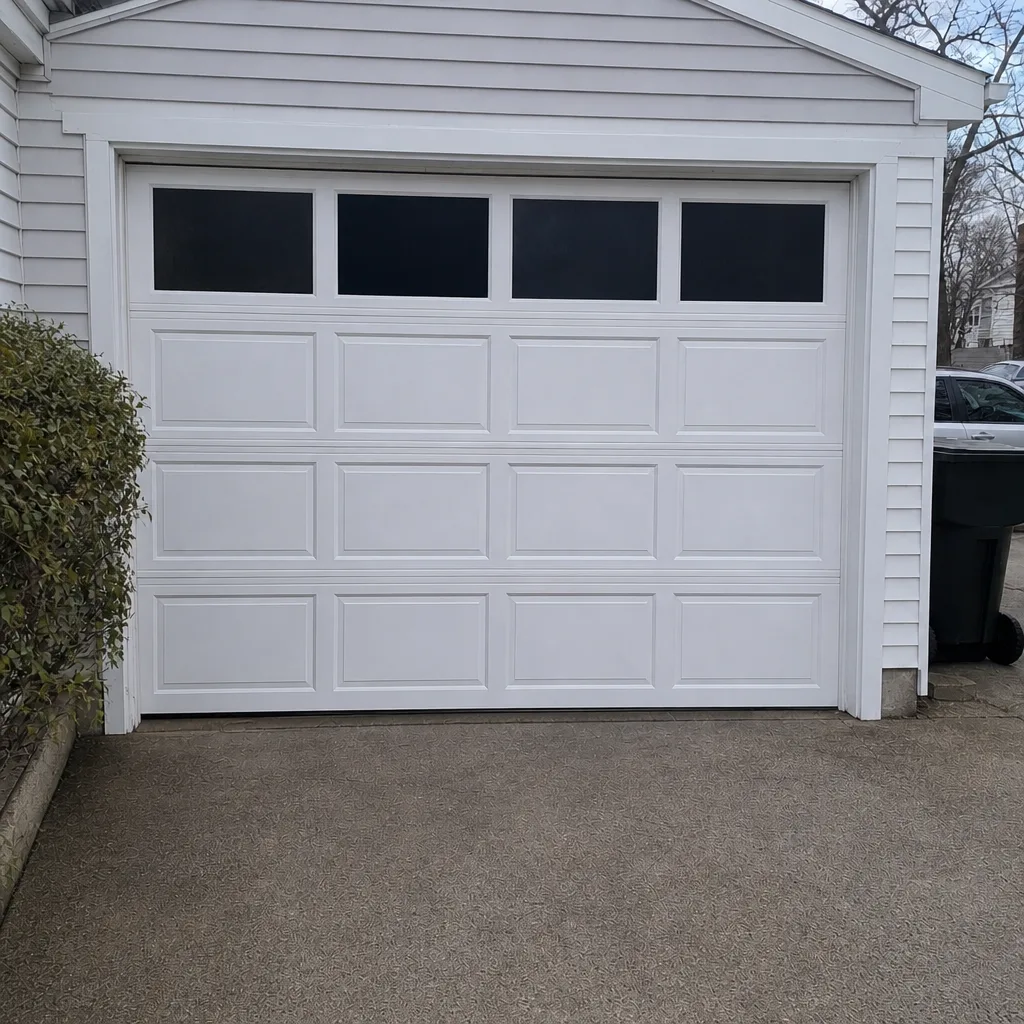
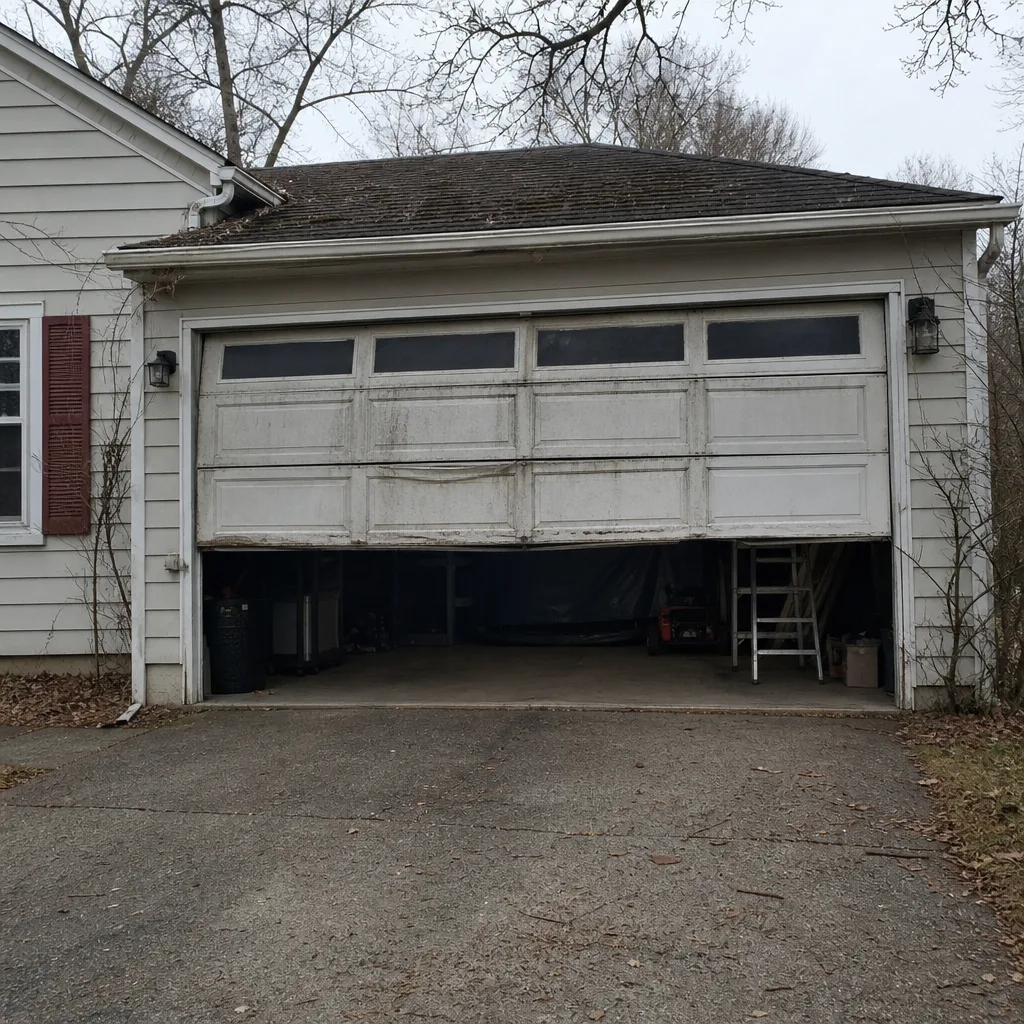
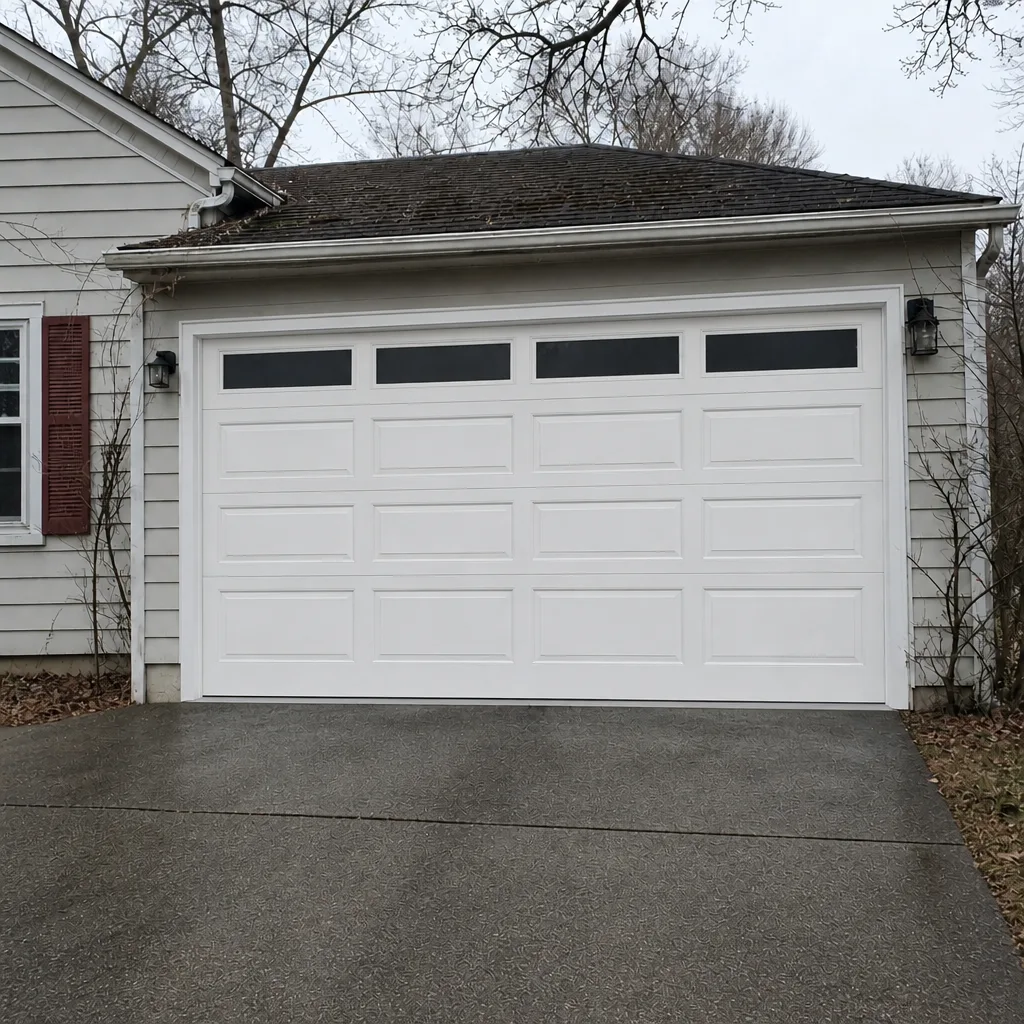
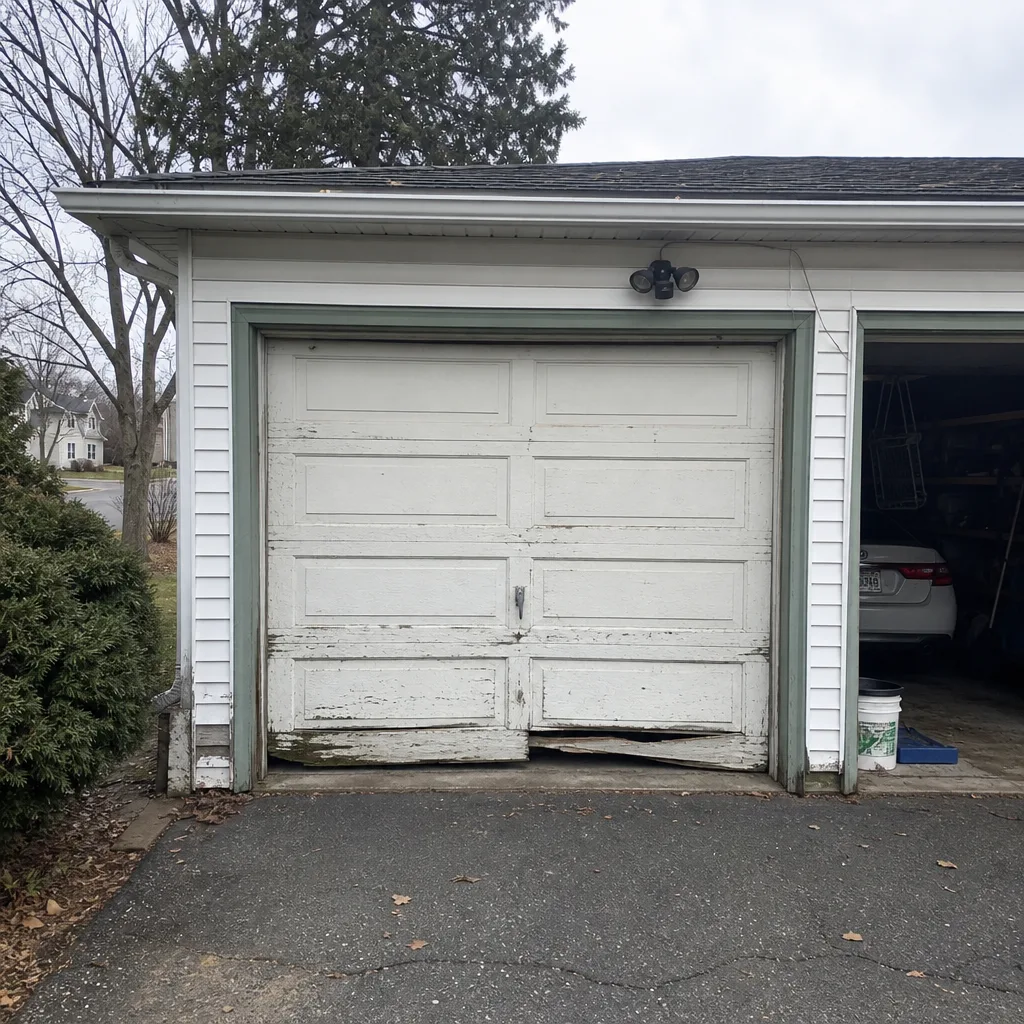
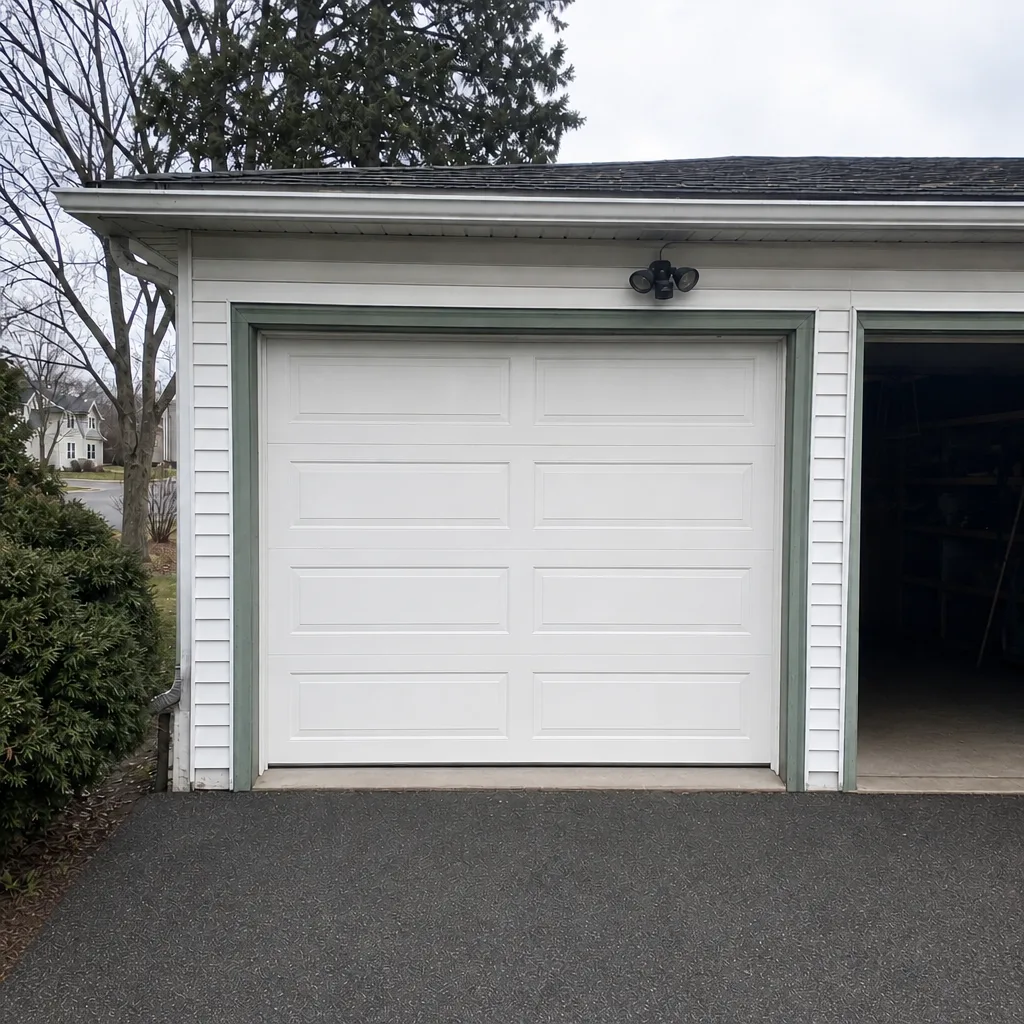
See the difference
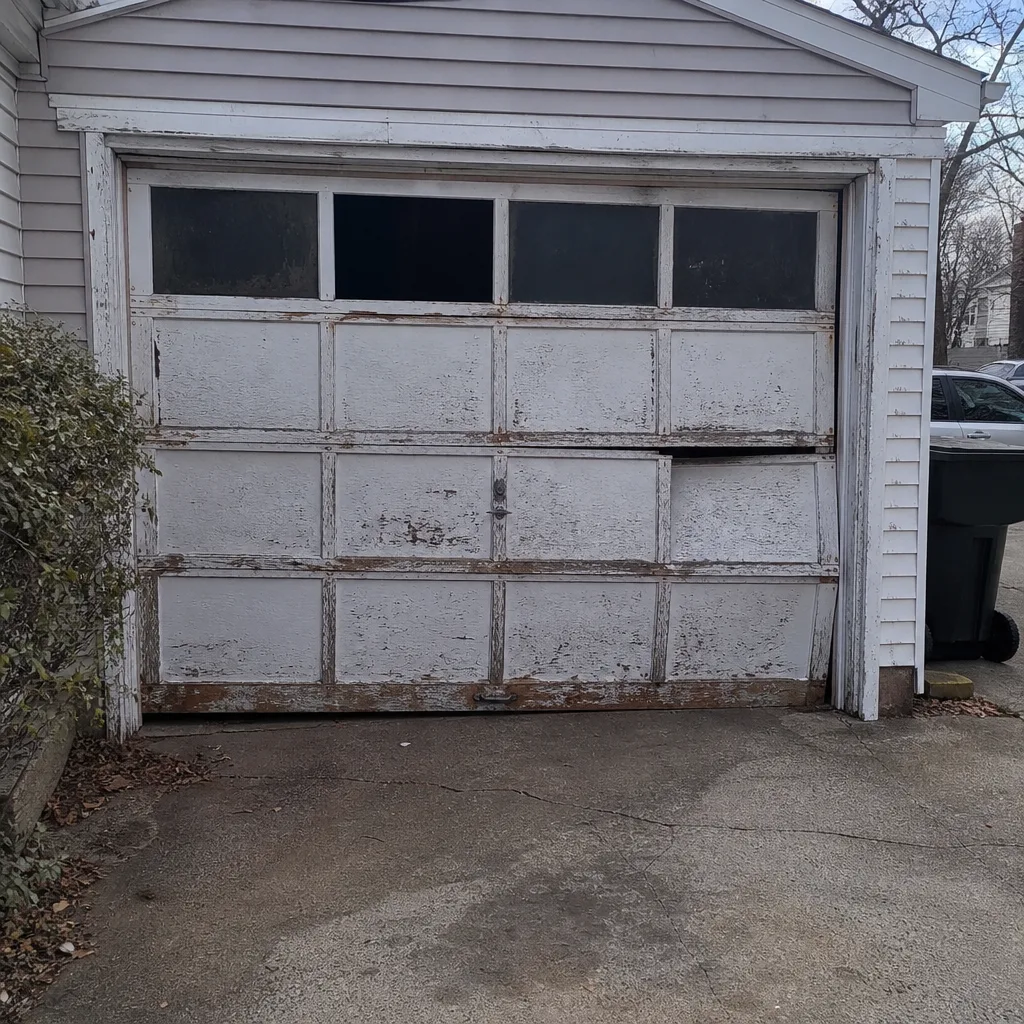 Before
 After
 Before
 After
 Before
 After
When to Call a Professional
Some garage door problems are obvious enough to call about immediately: a snapped spring, a door that’s come off its track, a door that won’t close, or an opener that’s stopped responding. These aren’t jobs to work around for a few days, because a door that won’t close leaves your home open and a door that’s off its track can fall. A loud bang from the garage with the door going nowhere is almost always a spring, and that’s a call-a-technician situation, not a check-it-yourself situation. Springs and cables are under dangerous tension, and we don’t recommend touching them yourself.
If you’re planning an installation or a full replacement, the timing is different. Replacement work is measured, ordered, and scheduled, so the right first step is a free measure and a written price rather than a same-day fix. Either way, Norwalk Garage Door Repair Co offers free estimates in Norwalk. Call (866) 964-5735 to talk through what your door is doing and what the next step should be.
Frequently Asked Questions
Connecticut requires home improvement contractors to register with the state Department of Consumer Protection. Ask for the registration number, verify it on the state’s online lookup, and confirm it’s active before work starts. A contractor who can’t provide a registration number is a contractor you shouldn’t hire. Call (866) 964-5735 for an exact quote – estimates are free.
Spring repair pricing depends on the spring type, cycle rating, and whether it’s one spring or a matched pair, and the quote is set in writing before work begins. Springs are dangerous, so this isn’t a job to price-shop down to the lowest number. Call (866) 964-5735 for an exact quote – estimates are free.
No. The written quote is the price you pay. We agree to the number before any work starts, and if the scope genuinely changes, we stop and talk to you before doing anything that affects the price. Call (866) 964-5735 for an exact quote – estimates are free.
We connect you with independent local professionals who are licensed and insured as their state requires. Ask for the paperwork and verify it directly with the state and the insurance agent; a careful contractor will hand it over without hesitation. Call (866) 964-5735 for an exact quote – estimates are free.
If your door has two springs, they usually wear at the same rate, so the matched pair is typically replaced together. Replacing one and leaving the other often means a second service call and a second labor charge soon after. A good quote tells you which approach it’s pricing. Call (866) 964-5735 for an exact quote – estimates are free.
If your door won’t close or a spring has snapped, treat it as urgent and call rather than waiting for a scheduled appointment. Emergency garage door service is a standing offering for situations that can’t wait, and we’ll tell you the soonest we can get out to you. Call (866) 964-5735 to talk through what’s happening.
The Bottom Line
Hiring a garage door contractor in Norwalk comes down to three documents and three questions: ask to see current state registration and insurance certificates, get the permit responsibility and the warranty in writing, and compare quotes by spring cycle rating, opener spec, and panel gauge rather than the bottom line. The cheapest quote is often the most expensive decision in the end. A contractor who hands over paperwork without hesitation, names the brand and model of every part, and puts the price in writing before work starts is the one to hire. The rest is keeping your door running safely for years.
If you’d rather not run the checklist alone, we’re happy to help. Call Norwalk Garage Door Repair Co at (866) 964-5735 for a free estimate, and we’ll walk through your door, answer your questions, and give you a written price before anything starts.
Written by the team at Norwalk Garage Door Repair Co.