Last updated November 23, 2026
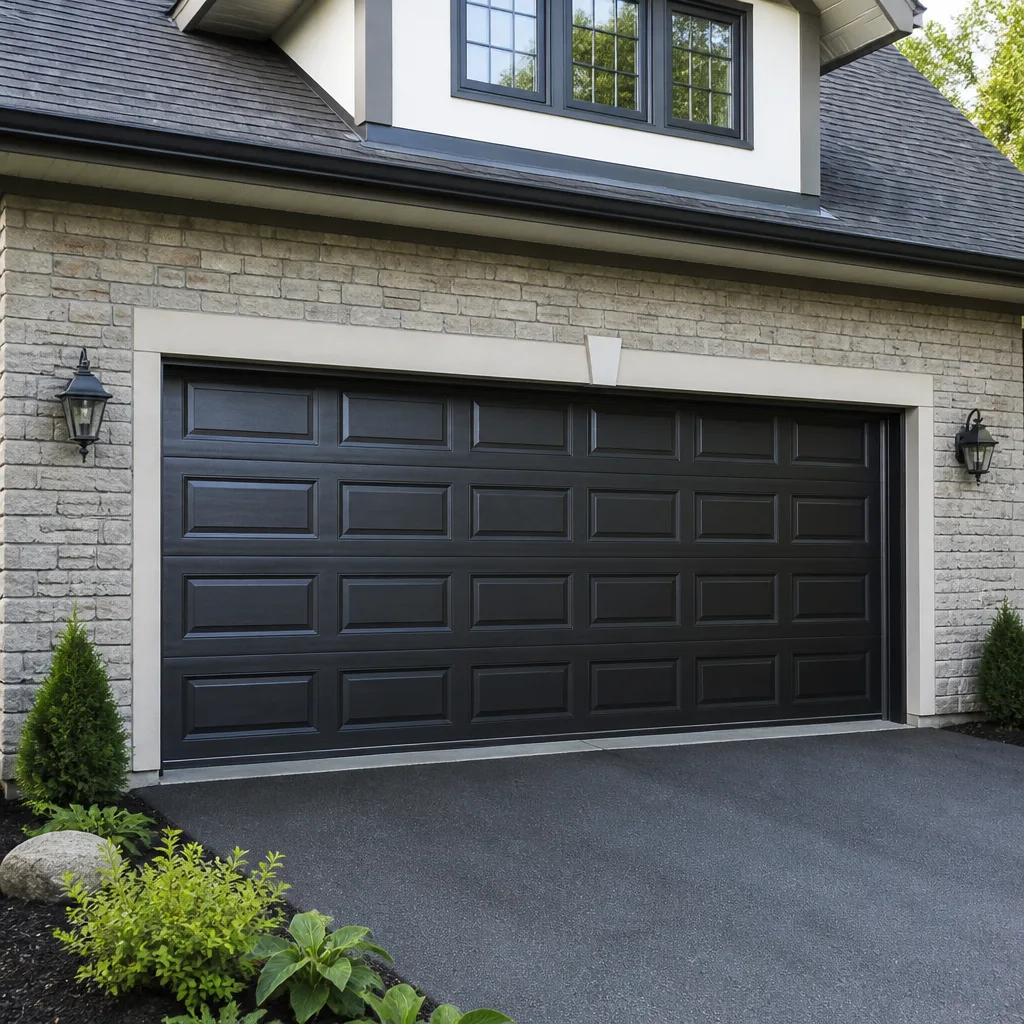 Raised-panel steel
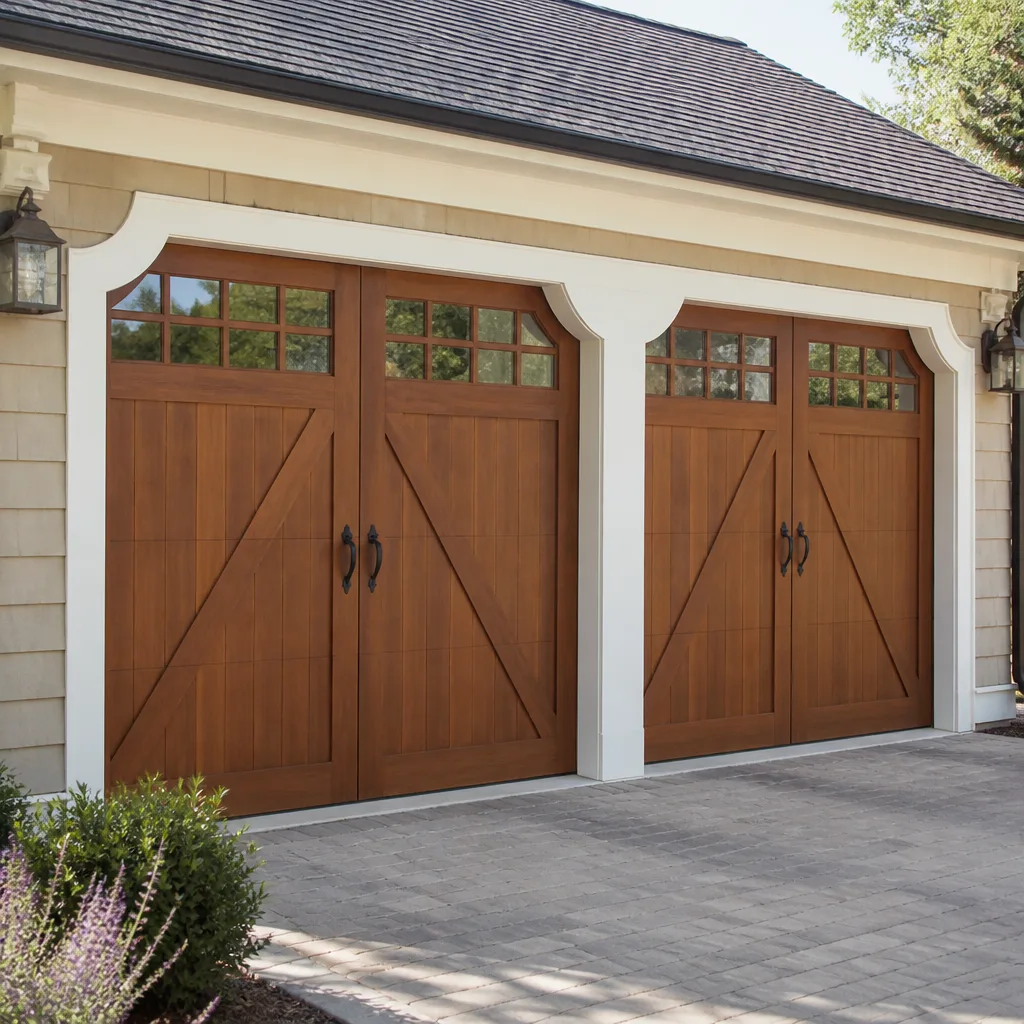 Carriage house
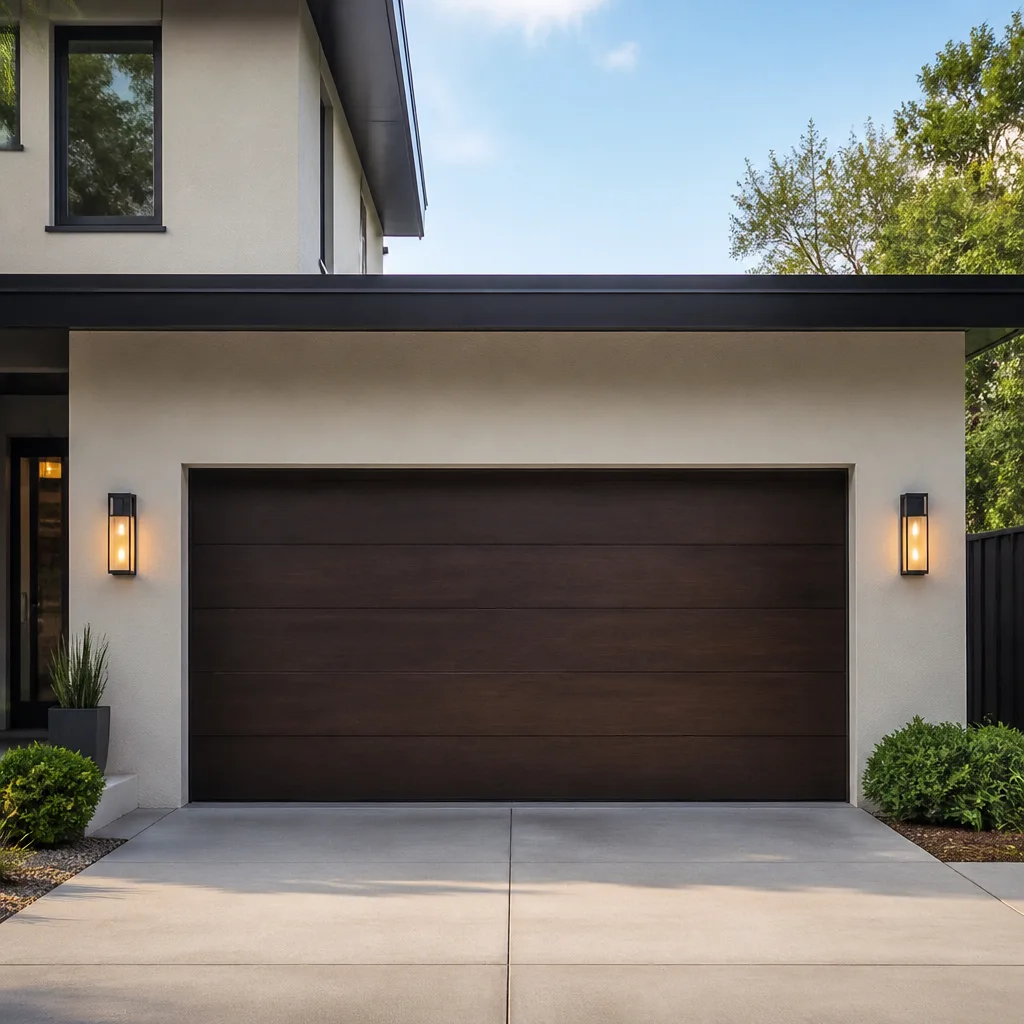 Modern flush
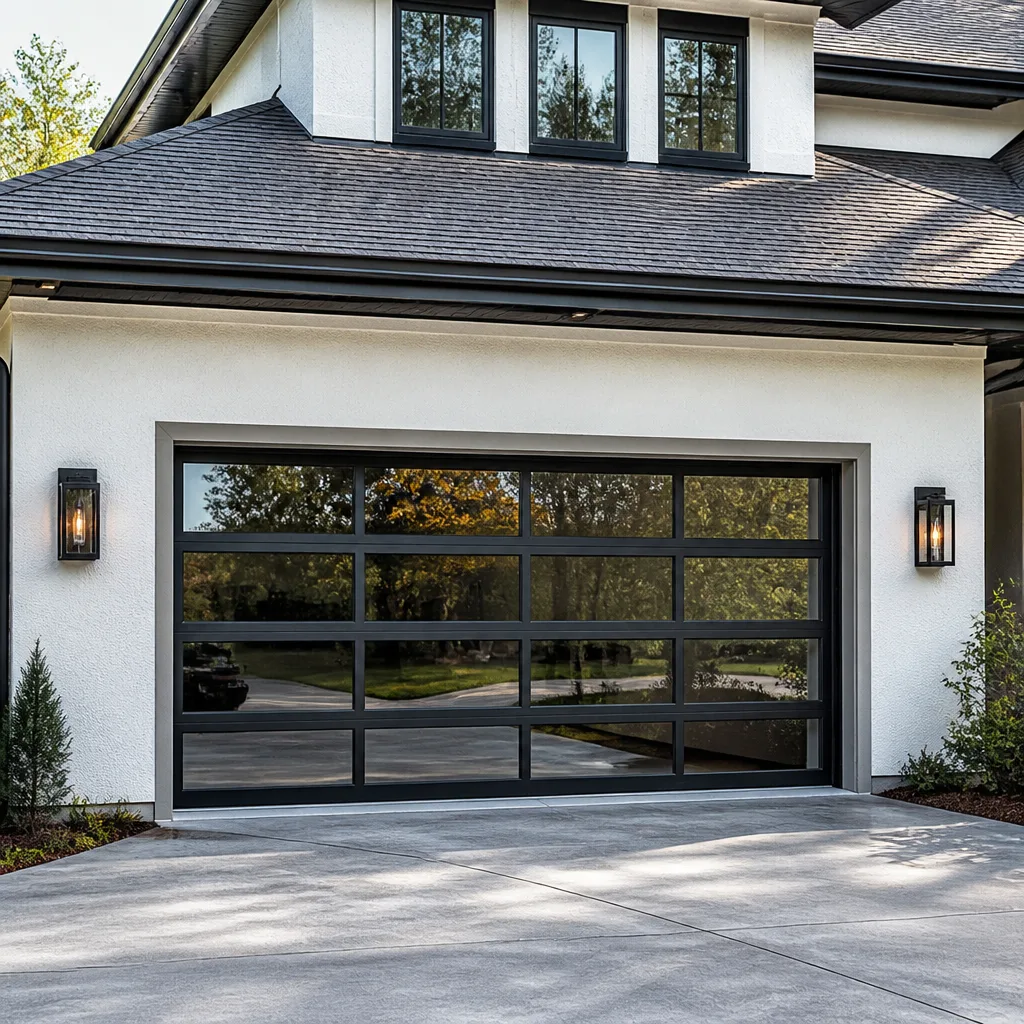 Full-view glass
 LiftMaster openers
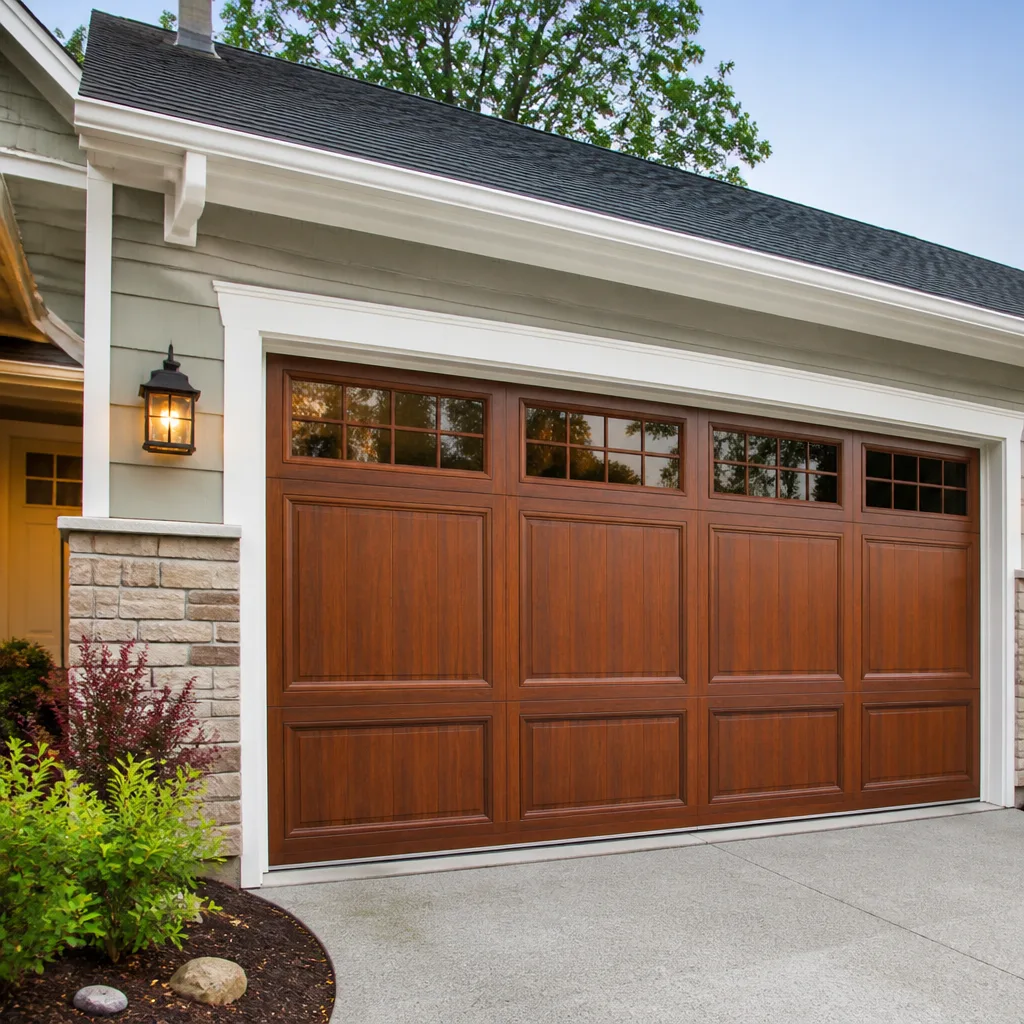 Chamberlain openers
Full 25-point door and opener safety check with every visit - springs, cables, rollers, tracks, and your LiftMaster or Chamberlain opener included
You get a price before we start. It does not change when the pro arrives.
Get your free estimateDIY vs Professional Garage Door: The Norwalk Homeowner’s Decision Guide
Replacing a bottom weather seal is a reasonable Saturday task for a careful homeowner. Touching a torsion spring is not. The difference between those two jobs isn’t a matter of confidence or YouTube familiarity – it’s stored energy, and how much of it is waiting to release when you turn the wrong bar. Most garage door advice online treats “DIY or call someone” as one big question. It isn’t. It’s a decision tree, and every branch depends on which part failed, what tools you actually own, and what a mistake costs you in time, money, or a hospital visit. This guide walks that tree branch by branch for Norwalk homeowners.
Quick Answer
Safe DIY garage door work in Norwalk is limited to low-energy tasks: weather seals, lubrication, track wiping, tightening bolts, and replacing remote batteries or safety sensors. Anything involving torsion or extension springs, cables, drums, or the counterbalance system should go to a trained technician, because those parts hold enough stored energy to cause serious injury. Openers, panels, and full installations usually land in the middle – you can handle prep and shopping, but professional work is the safer, cheaper long game.
Styles & brands we work with
- Raised-panel steel
- Carriage house
- Modern flush
- Full-view glass
- LiftMaster openers
- Chamberlain openers
Table of Contents
- The garage door DIY decision tree
- Why torsion springs are a different category of risk
- What you can safely do yourself in Norwalk
- Tools for legitimate DIY vs. what only a technician owns
- How DIY voids opener warranties – and what that costs
- The hybrid approach: DIY prep, professional installation
- Openers and door panels: the gray zone
- What makes a Norwalk garage door job different
The Garage Door DIY Decision Tree
Here’s the framework we use when a homeowner calls and asks, “Can I just do this myself?” Start by naming the failed component, then follow the branch.
- Is it a seal, sensor, remote, or lubrication issue? Yes goes to DIY. These parts carry no stored energy and no spring tension.
- Is it a spring, cable, drum, hinge under load, or bottom bracket? Yes goes straight to professional. Those parts hold tension even when the door is fully down.
- Is it an opener problem? Split branch. Battery, remote pairing, force adjustment, and sensor alignment are homeowner tasks. Motor replacement, gear assembly, and logic board work are not.
- Is it a panel or full door replacement? Split branch again. Measuring and choosing a model is fine to do yourself. Hanging the door and balancing it is not.
- Is the door off its track or stuck open? That’s an emergency scenario. Call for professional help before touching anything.
In our experience, most Norwalk homeowners who get into trouble skipped step two. They read a blog post about “adjusting” a spring and assumed the job belonged in the same bucket as swapping a seal. It doesn’t. Cables and springs are a separate tier of risk from everything else on a garage door. Understanding that line – which component failed, not how handy you are – is the single most useful decision you’ll make.
If you want the repair itself handled end to end and you’re in Norwalk, our garage door repair team can walk you through what’s safe to leave alone and what needs a technician on site.
Why Torsion Springs Are a Different Category of Risk
Torsion springs store mechanical energy. That’s the whole point of them – they hold the weight of a garage door so a small motor, or your arm, can lift a door weighing a few hundred pounds. When the spring is wound and under tension, that energy is actively trying to unwind. Every spring has a fixed number of cycles built into it, and when the metal fatigues, it releases that energy in a split second.
What that means practically:
- A torsion spring under tension can snap without warning, and the release is violent.
- Cables under tension can whip if the spring fails or the drum lets go.
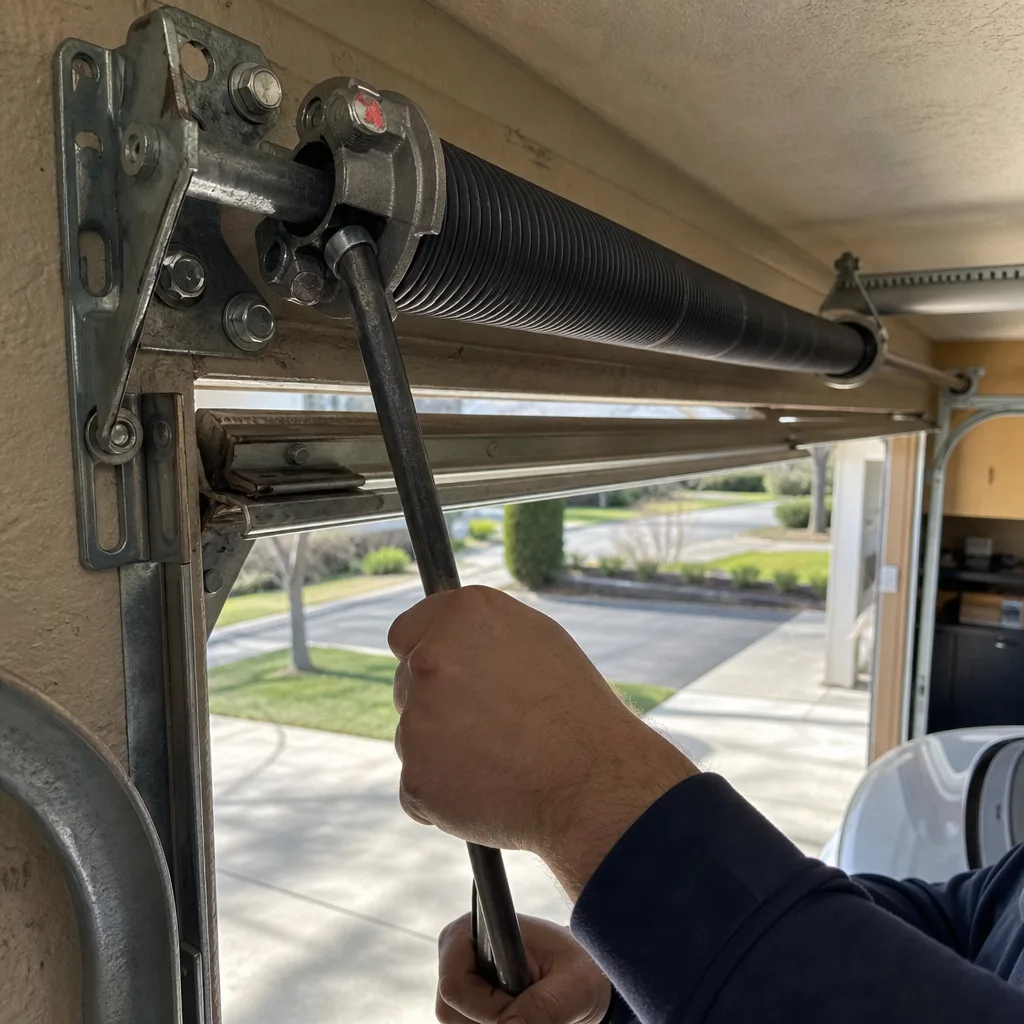
- Winding bars, when they slip, convert stored energy into a fast-spinning steel rod at arm’s length from your face and hands.
- Extension springs stretch along the track and are just as dangerous when they fail, especially without containment cables.
This isn’t a scare tactic. It’s the reason garage door springs sit in the same category as electrical work and gas lines on the professional-only list. The metal doesn’t care how careful you are or how many tutorials you watched. It only cares whether the spring is under load.
Springs are also the most commonly neglected failure point on a garage door. Homeowners don’t think about them until the door won’t open. If you’re in Norwalk and your door suddenly feels heavy or won’t lift, don’t try to force it – that’s the classic sign of a broken spring. The safest next step is a call to a trained technician. Our garage door spring repair service exists precisely for this scenario.
What You Can Safely Do Yourself in Norwalk
The legitimate-DIY list is longer than most people realize, and it’s worth knowing because it saves you a service call for simple stuff. All of these tasks carry no stored energy and no spring tension – you’re working on the accessories, not the counterbalance system.
- Weather seals and bottom astragal. The rubber strip along the bottom of the door wears out over time. Replacement is a screwdriver and utility knife job.
- Lubrication. A few drops of white lithium grease on rollers, hinges, and the torsion bar bearing plates a couple of times a year keep everything moving quietly.
- Track wiping. Clean the vertical tracks with a rag. Don’t bend them – a bent track is a professional job.
- Bolt tightening. The hinge and bracket bolts work loose with vibration over time. Snug them up while the door is fully down and the spring is at rest.
- Remote and keypad pairing. Follow the opener brand’s manual. For a Craftsman or LiftMaster unit, this is a few button presses.
- Battery replacement. Remote batteries and the opener’s backup battery if it has one.
- Safety sensor alignment. If the door reverses or won’t close, the safety sensors at the bottom of the tracks are the most common cause. Clean the lenses and check the indicator lights.
Anything else on the door’s counterbalance system belongs in the professional bucket. If you’re not sure whether a task falls into DIY territory, call and ask before you pick up a wrench. Diagnosing over the phone is quick, and it’s a lot cheaper than a mistake on a loaded spring.
Tools for Legitimate DIY vs. What Only a Technician Owns
Tool access is a good reality check. If you don’t already own the tools a task needs, buying them for a single job rarely makes sense – especially when the tools aren’t sold in a normal hardware aisle.
Tools for legitimate DIY tasks in Norwalk:
- Flathead and Phillips screwdrivers
- Adjustable wrench and a socket set
- Utility knife and heavy shears for seal trim
- White lithium grease and a clean rag
- Level and tape measure for sensor alignment
- Step ladder (only for reaching the opener housing, never for working on springs)
Tools a professional brings that you can’t realistically buy for one job:
- Winding bars matched to the spring size (and the technique to use them without slipping)
- Spring tension gauges
- Cable pullers and locking pliers for the drum and cable work
- A calibrated door weight gauge to check balance and spring sizing
- Lifting equipment for full panel or door installation
Winding bars look simple. They’re not. The bars have to fit the winding cone snugly, and the technique for winding down a spring safely depends on the door’s balance and the spring’s current tension. We’ve seen homeowners try to substitute a screwdriver or a pair of pliers – both of which are how injuries happen. A technician with up to 10 years of experience has wound thousands of springs and knows what a safe setup feels like before anything turns.
How DIY Voids Opener Warranties – and What That Costs
Garage door opener warranties are one of the least-discussed reasons to leave opener installation to a professional. Most manufacturers warrant their units only when the unit is installed according to the manufacturer’s instructions by a trained installer. If you install a LiftMaster or Chamberlain unit yourself and the motor or logic board fails while still under warranty, there’s a real chance the claim is denied.
Here’s what that means in practical terms:
- An opener failure in the first few years of a self-install can fall entirely on you, not the manufacturer.
- Improper installation – wrong tension on the rail, incorrect force settings, wrong header bracket position – is one of the most common causes of premature opener failure.
- The cost of the failed opener, plus the cost of removing it, plus the cost of a new one, is far more than the difference between a self-install and a professional one.
If you already own an opener that’s misbehaving, that’s a different problem. Opener repair is our garage door opener repair service, and it covers common brand units including LiftMaster, Chamberlain, Genie, Craftsman, and Raynor. We work on the brand you already have, whether it was professionally installed or not.
One thing to keep in mind about Connecticut: warranty terms vary by manufacturer and by model, and the fine print isn’t always clear online. Before you order a unit for self-install, read the warranty card in the box or ask the seller whether self-installation is covered. That one paragraph can save you a lot.
The Hybrid Approach: DIY Prep, Professional Installation
For a full door replacement or a new-opener job, the smart approach in Norwalk isn’t “DIY” or “professional” – it’s both, split at the right moment. Here’s how we see the split:
- DIY the measurement and selection. Measure the opening width and height, note the ceiling clearance, and decide what style door or opener you want. That’s research you can do on your own time, and it makes the estimate call shorter.
- DIY the workspace prep. Clear the garage floor and the area under the ceiling where the door will lift. Move anything hanging from the ceiling out of the way, and make sure the opener has access to a power outlet. Prep is free labor.
- Professional install. Have the actual door hanging, spring winding, and opener mounting done by a technician. That’s where the risk and the warranty exposure are.
- DIY the follow-up. Sensor adjustments, remote pairing, and lubrication after installation are all homeowner tasks.
This hybrid approach works because it puts your labor where it’s safe and it puts skilled labor where it saves money. A professional install is measured, ordered, and scheduled – it isn’t an emergency call – so you get the benefit of a free measure and a written price before anything is ordered. And when the door is installed correctly the first time, the repair calls come later, not sooner.
If you’re planning a full replacement in Norwalk, we handle the whole project from first call to finished door. See the full service list at Norwalk Garage Door Repair Co.
Openers and Door Panels: The Gray Zone
Openers and door panels are the two gray-zone items that trip up a lot of homeowners. Here’s how we’d break them down.
Openers: Minor fixes – force adjustment, sensor alignment, remote pairing, travel limit setting – are homeowner work. Motor replacement, gear and sprocket assembly, logic board replacement, and full unit replacement are professional work. The electric motor stores enough current to hurt you, and the belt or chain assembly needs proper tensioning after reassembly. If the opener is making grinding noises or the door reverses randomly, call a technician.
Door panels: A single dented or broken bottom panel can sometimes be replaced without touching the counterbalance system, but only if the panel is at the bottom of the door and the door is fully supported. Sections are heavy, and a door that isn’t balanced will close on you if you pull a hinge. A single panel replacement on a steel door is a realistic homeowner job only if the door is level and the spring is intact. Anything involving the spring, drum, or cables is technician work.
The simplest rule: if you have to touch anything connected to a spring or cable, stop. If the part is a bolt-on accessory, you can probably handle it yourself.
What Makes a Norwalk Garage Door Job Different
Garage door work in Norwalk sits in a specific climate context. Southwestern Connecticut runs hot and humid in the summer, cold and damp in the winter, and swings between both through fall and spring. That cycle matters for garage door hardware.
- Wood doors and panels. Seasonal humidity swings cause wood to expand in summer and contract in winter, which works loose screws and hinges over time.
- Steel doors. The freeze-thaw cycle keeps seams and joints moving, which is where steel doors eventually show rust or a sticking hinge. Regular lubrication extends the life of the hardware considerably.
- Seals. Rubber and vinyl weather seals get brittle faster in a climate with hard seasonal swings, which is why bottom seals need replacement more often here than in mild climates.
- Springs. Springs don’t care about the weather, but they do care about cycle count, and a garage door in an active Norwalk household runs up cycles faster than most homeowners expect.
We also handle emergency garage door calls for Norwalk homeowners because a door that won’t close at night is a security problem as much as a convenience one. When it can’t wait, call. Emergency is a standing part of the business, not an after-hours favor.
Common Mistakes to Avoid
- Attempting a spring replacement with pliers or a screwdriver instead of winding bars. The winding cone needs a snug bar to hold the tension. Substituting a regular tool is how spring work becomes an injury, and it’s the single most common mistake we hear about.
- Assuming a door that “won’t close” is an opener problem. A door that reverses at the floor is almost always a safety sensor or a misaligned track. Check the sensors first before touching the opener.
- Forcing a door with a broken spring. If the door feels twice as heavy as usual and the opener is straining, the spring is likely broken. Continuing to run the opener will burn out the motor, and that’s a much bigger bill than the spring.
- Self-installing an opener and skipping the warranty card. Most manufacturers require professional installation to honor the warranty on the motor. Reading the card before ordering the unit is the cheapest insurance you can buy.
- Bending tracks to “align” a door. Tracks are fixed metal. Bending them out of true makes the rollers fall off the edge. A track that’s visibly bent needs replacement, not adjustment.
- Lubricating the wrong surfaces. White lithium grease on rollers, hinges, and bearing plates is right. Grease on the safety sensor lenses or the opener rail contact points attracts dirt and causes failures.
- Ignoring a door that’s out of balance. If the door won’t stay at the halfway point when you lift it by hand, the spring tension is wrong. Balance issues are a spring problem, and they’re a professional repair.
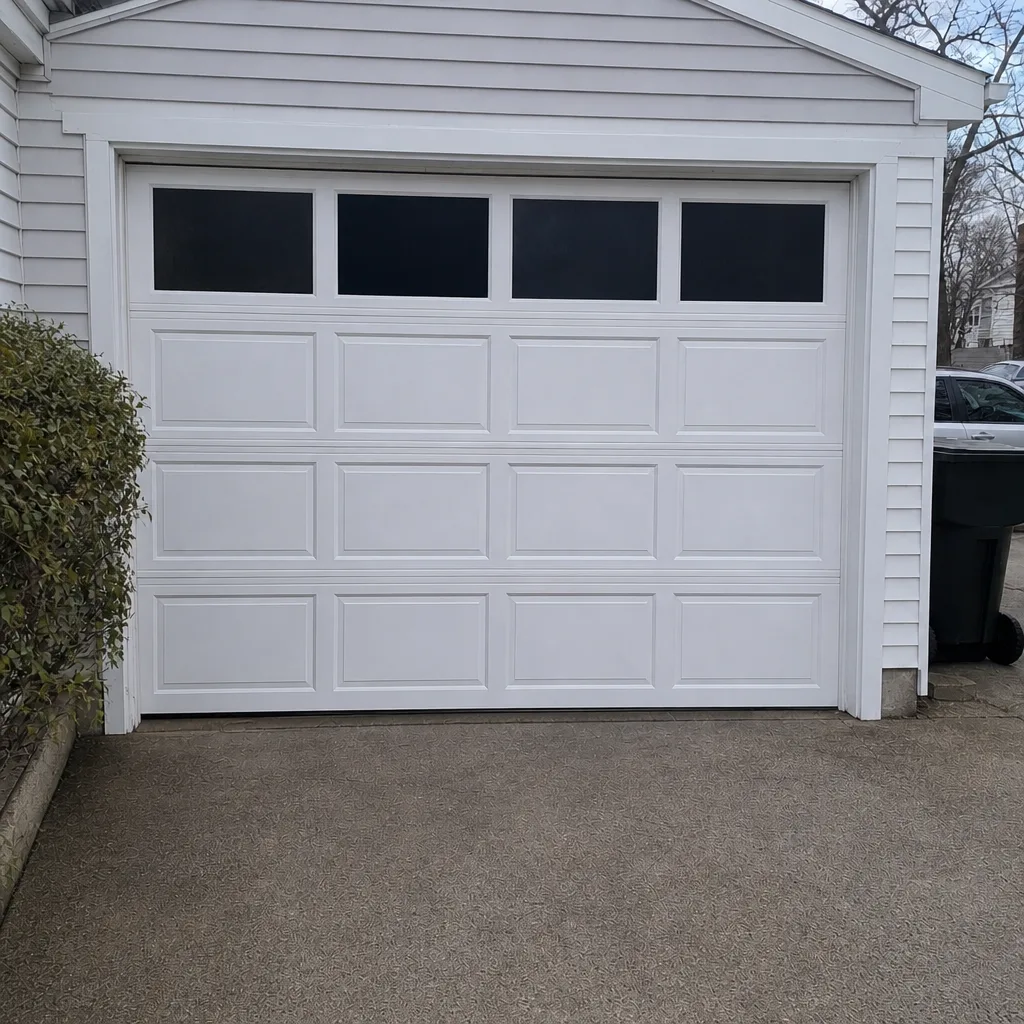
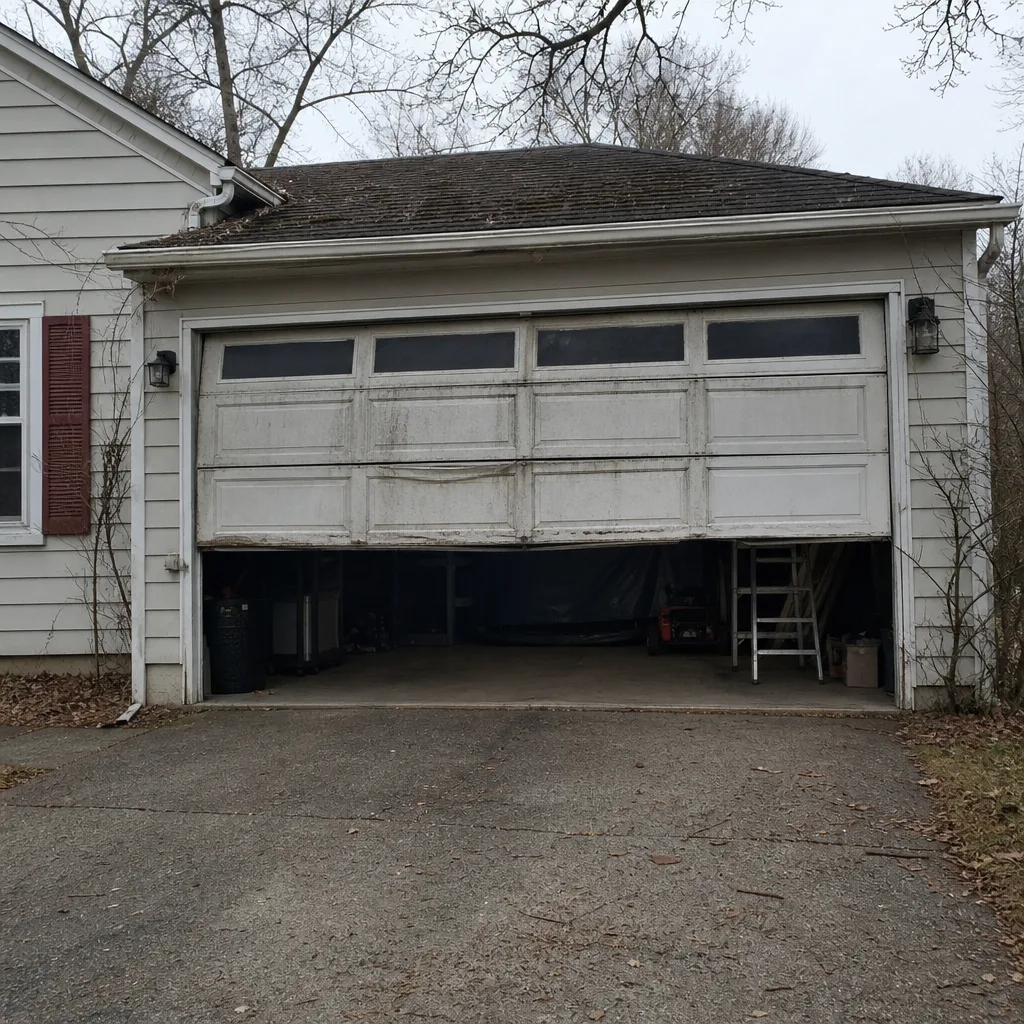
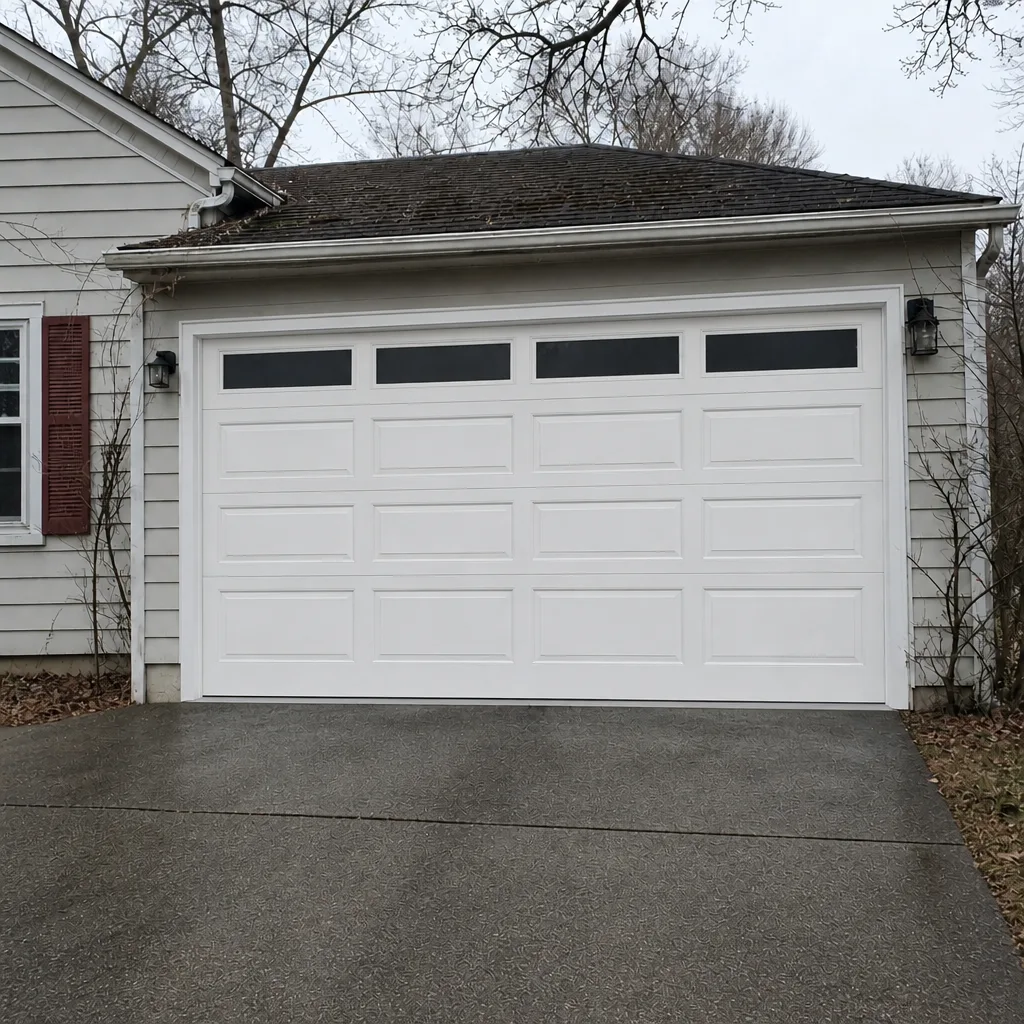
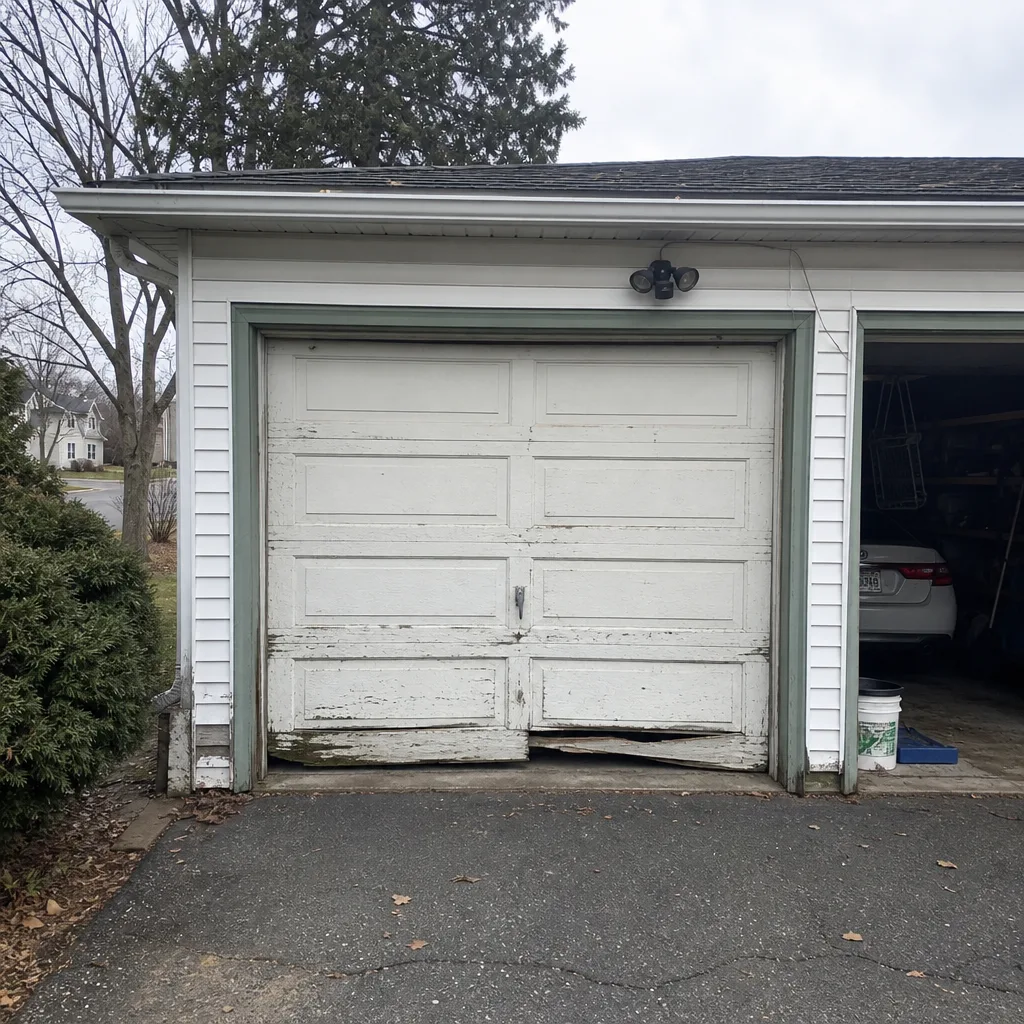
See the difference
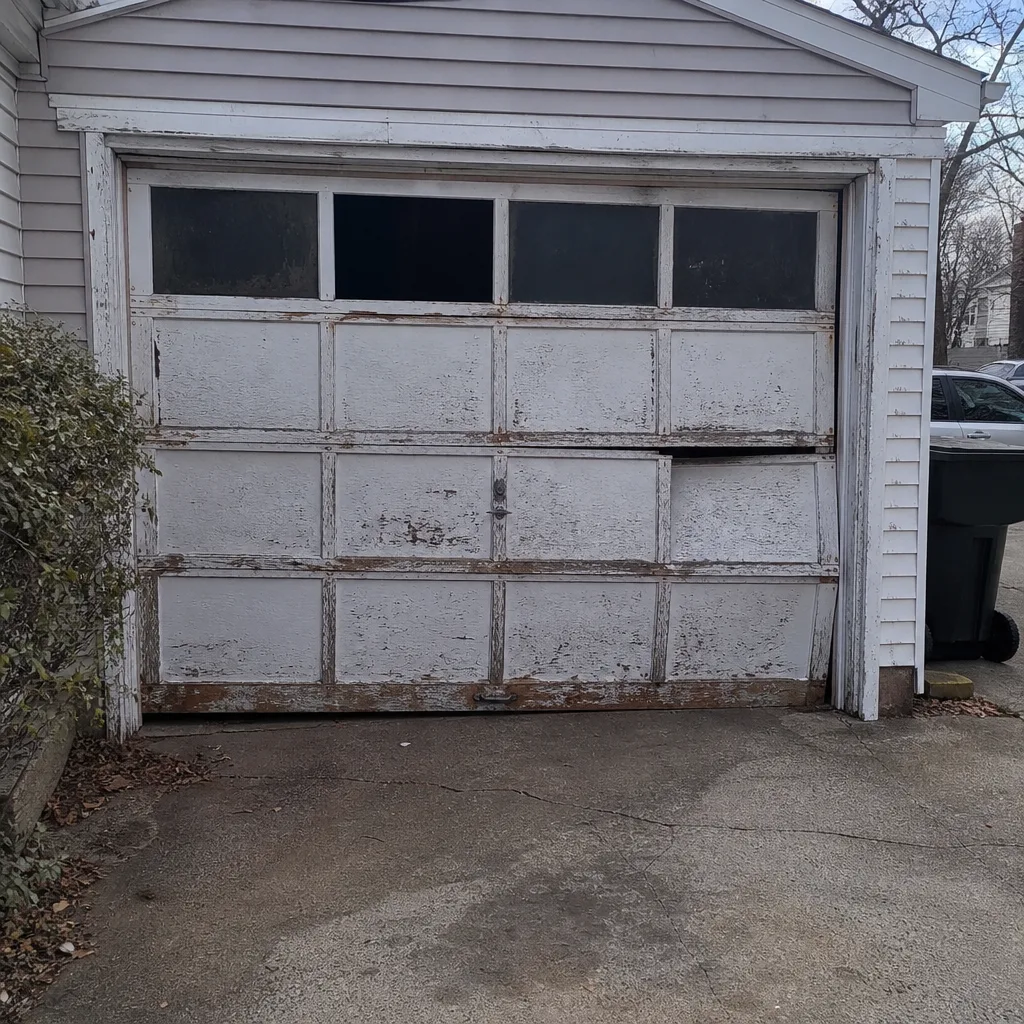 Before
 After
 Before
 After
 Before
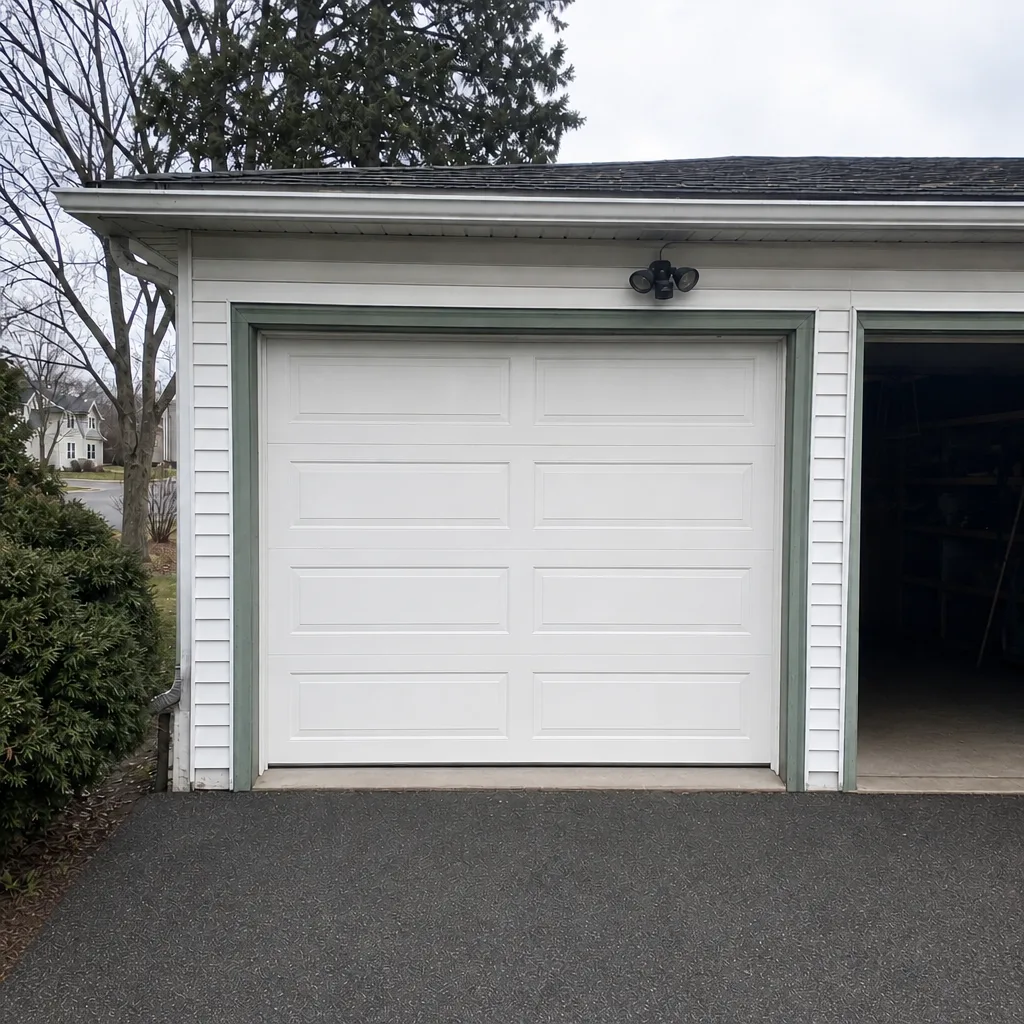 After
When to Call a Professional
Call a professional for anything involving a torsion or extension spring, a cable, a drum, or the door’s counterbalance system. Call if the door is off its track, if it won’t close at all, if it falls or slams, or if the opener is popping, grinding, or dead. Call if your panels are buckled, your tracks are bent, or you’re planning a full door or opener replacement. And call if you’re not sure – diagnosing over the phone is quick, and it’s a lot cheaper than a mistake. Norwalk Garage Door Repair Co offers free estimates in Norwalk, and our technicians have up to 10 years of experience. We service LiftMaster, Chamberlain, Genie, Craftsman, and other major brands, and we handle emergency calls when a door can’t wait for a next-day appointment. Call (866) 964-5735.
Frequently Asked Questions
No – a garage door spring replacement is not a safe DIY job, because the spring is under heavy tension and can release violently. A torsion spring under load can cause serious injury, and the specialized winding bars, tension gauges, and technique needed to do it safely aren’t tools a homeowner would own for one job. Call a trained technician instead. For a free estimate on spring repair in Norwalk, call (866) 964-5735.
It depends on the cause. If the door reverses at the floor or won’t respond to the remote, that’s usually a safety sensor or a remote-pairing issue, and both are safe homeowner fixes. If the door won’t close because the track is bent, the spring is broken, or the door is hanging crooked, don’t force it. Call a technician. For a diagnosis in Norwalk, call (866) 964-5735.
It can. Many manufacturers require installation by a trained installer to honor the warranty on the motor and logic board. If you install a LiftMaster or Chamberlain unit yourself and the motor fails, the claim may be denied. Before you order the unit, read the warranty card in the box, or ask the seller. For a professional install in Norwalk, call (866) 964-5735.
The safe list is limited to low-energy work: weather seals, lubrication, cleaning the tracks, tightening bolts, replacing remote batteries, and aligning the safety sensors. Those tasks carry no spring tension and no risk of stored-energy release. Anything involving a spring, cable, drum, or the counterbalance system is professional work. For the rest, call (866) 964-5735.
Garage door repair prices in Norwalk vary with the part and the door type, so the written estimate sets the final price. A typical repair is quoted before work begins, and the estimate is free. The best way to get an accurate number is to describe what’s happening on the phone, so the technician knows what to expect. Call (866) 964-5735 for a free estimate.
Hire a professional for the actual installation, and do the prep yourself. Measuring the opening, choosing the door, and clearing the workspace are reasonable homeowner tasks. Hanging the door, winding the springs, and balancing the door are technician work. The hybrid approach saves money without the risk. For a free measure in Norwalk, call (866) 964-5735.
The Bottom Line
The DIY vs. professional question for garage doors isn’t about how handy you are. It’s about which component failed and how much stored energy is in play. Seals, sensors, lubrication, and remote work are fine to handle yourself. Springs, cables, drums, and the counterbalance system are not – that’s professional territory, and it’s not close. Openers and panels land in the middle, where DIY prep plus a professional install is the smart play. For Norwalk homeowners, the practical rule is to match the task to the risk, not to your confidence level. If you’re not sure which branch you’re on, call and ask.
If this guide has you realizing your garage door needs a set of trained eyes, we’re ready. Norwalk Garage Door Repair Co handles repair, opener repair, spring repair, and full installation for homeowners across Norwalk, and emergency service is a standing part of what we do. Call (866) 964-5735 for a free estimate and a written price before any work starts.
Written by the team at Norwalk Garage Door Repair Co.