Last updated November 23, 2026
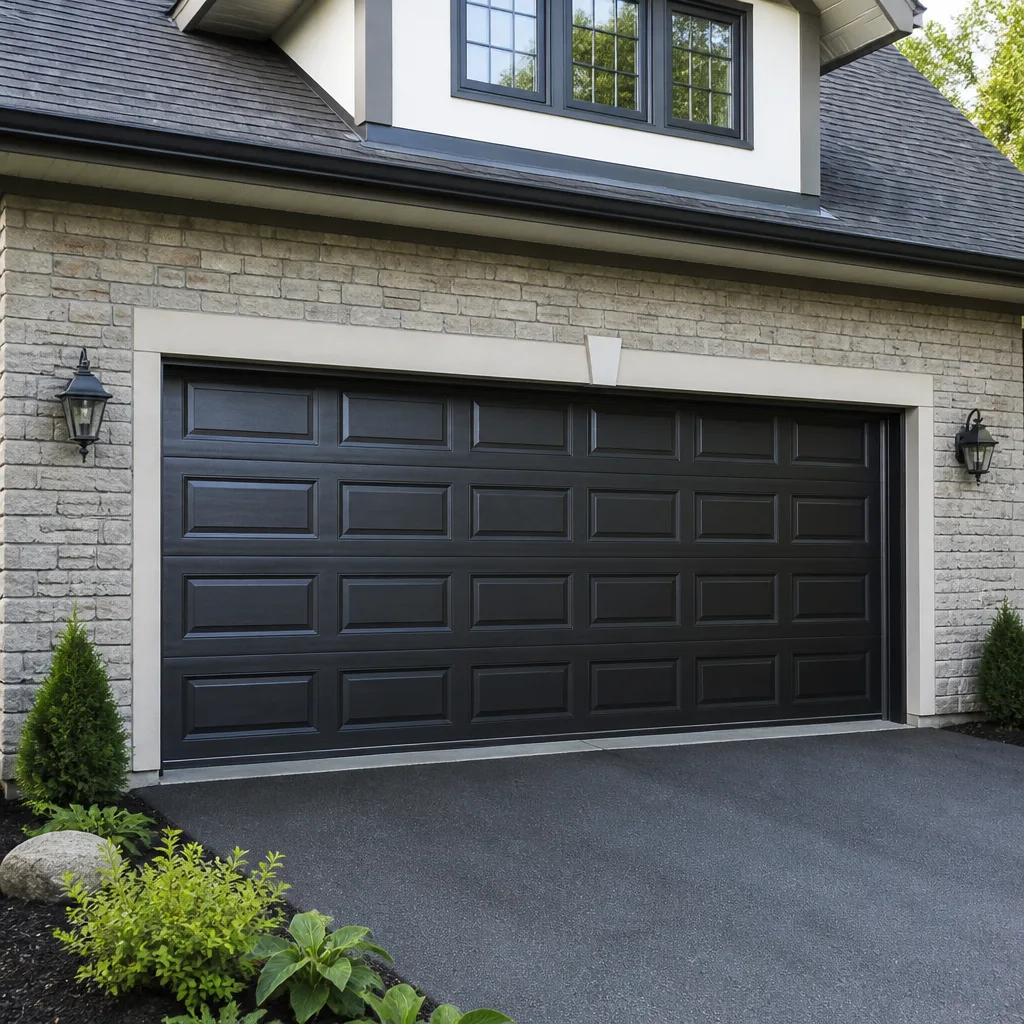 Raised-panel steel
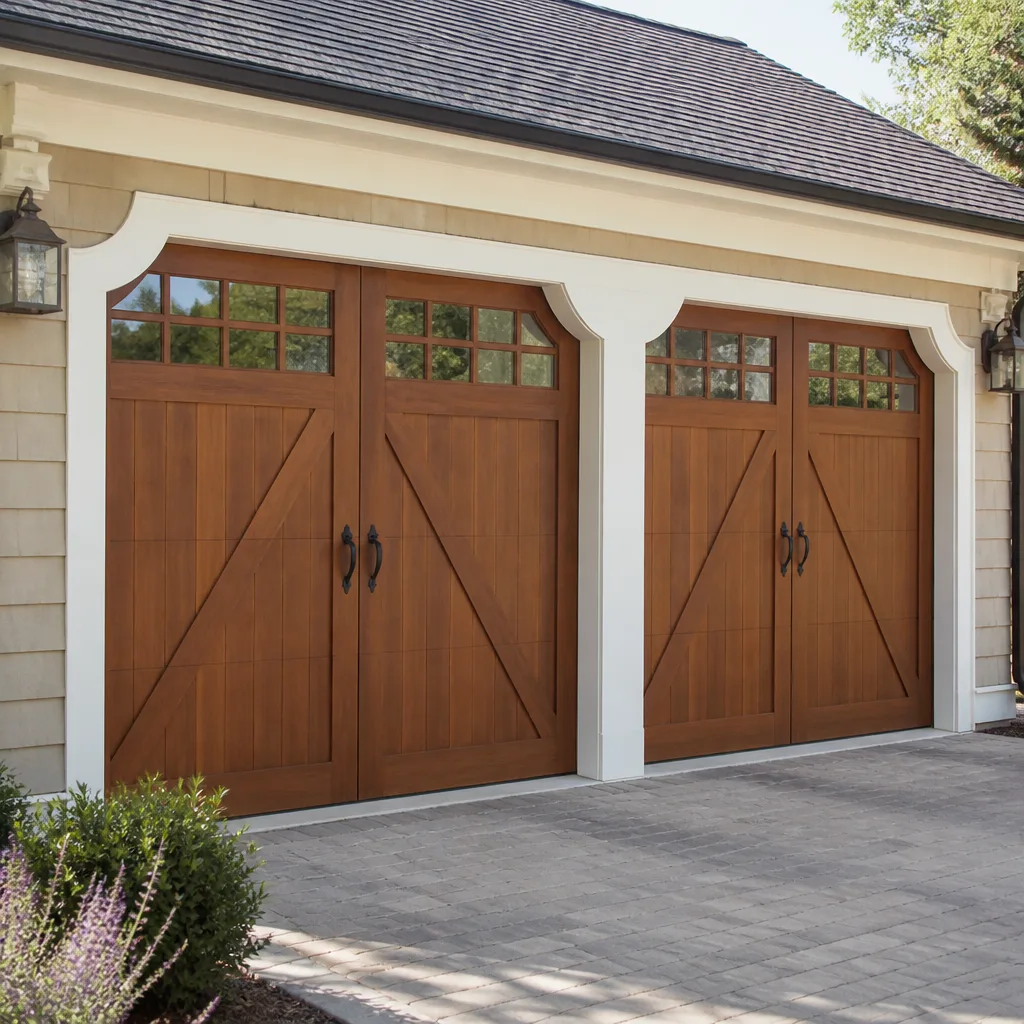 Carriage house
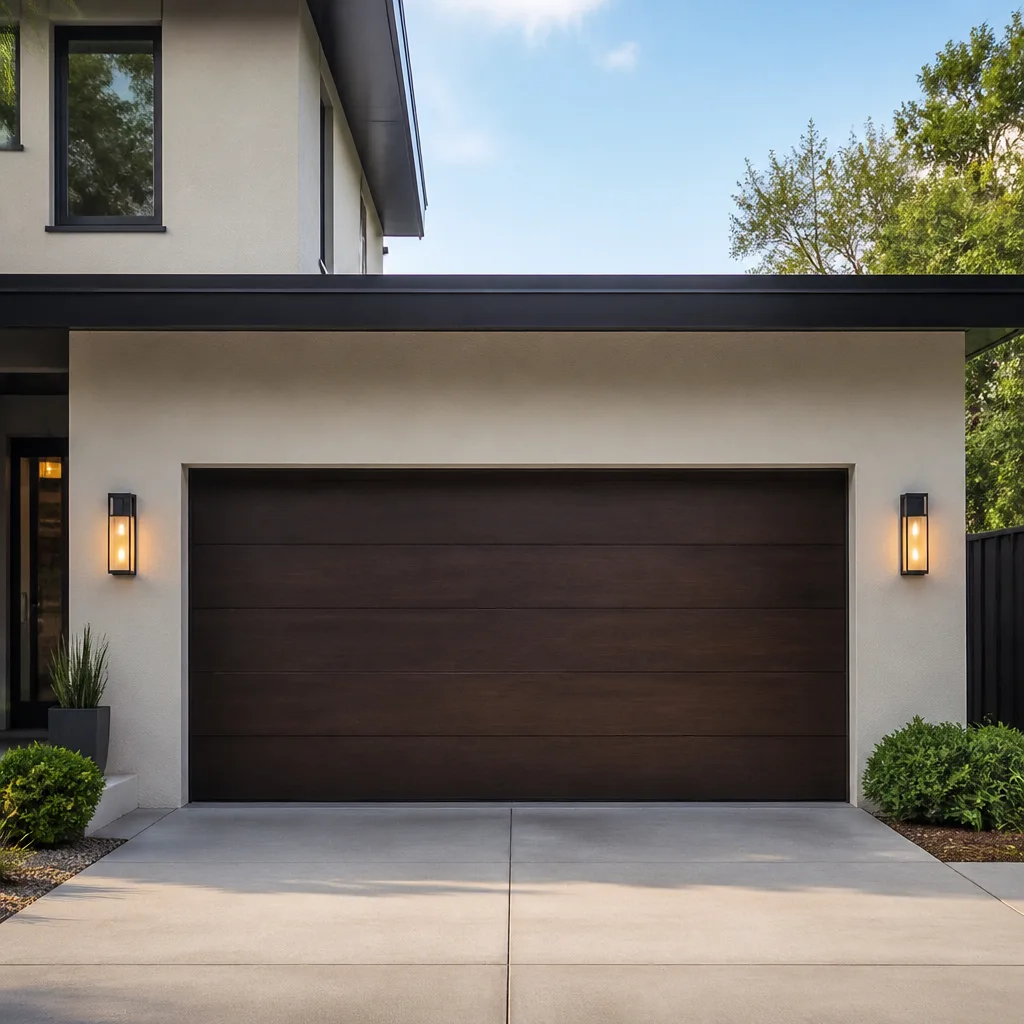 Modern flush
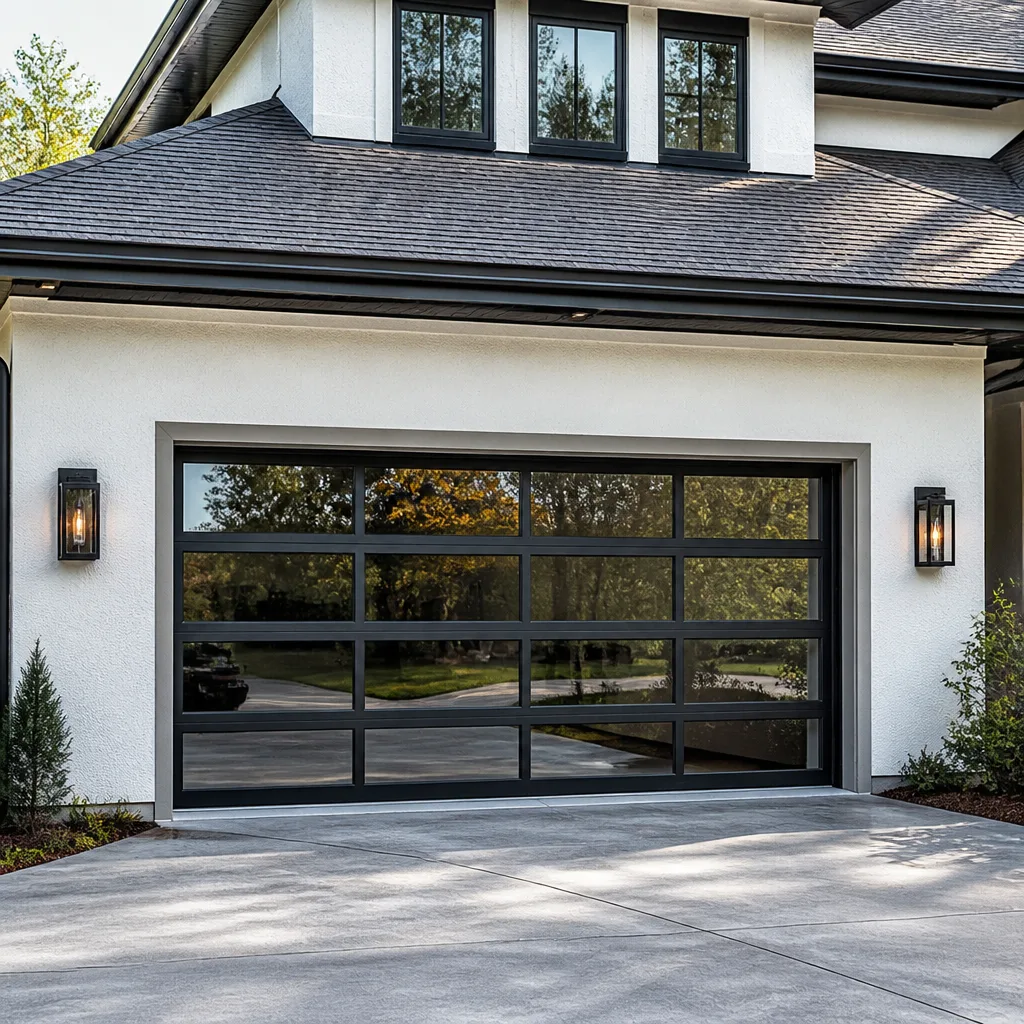 Full-view glass
 LiftMaster openers
 Chamberlain openers
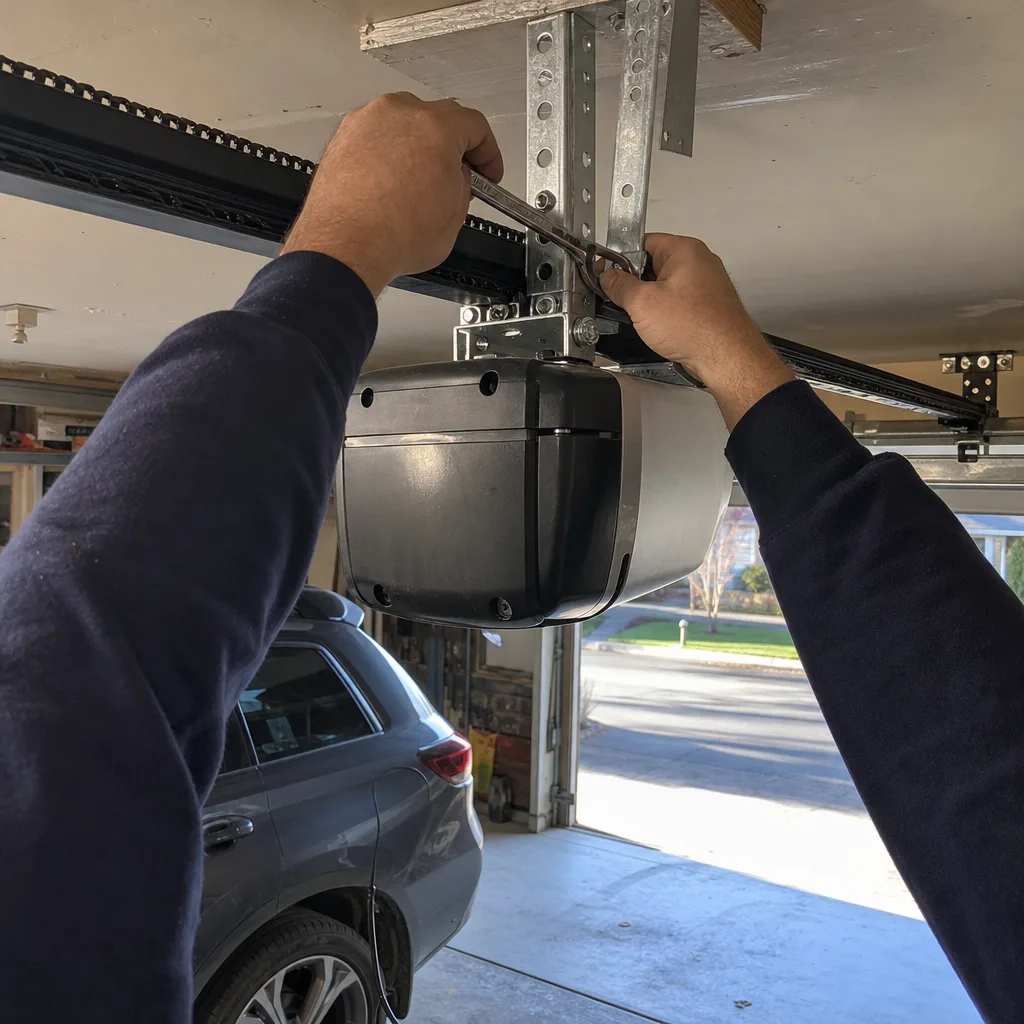
Full 25-point door and opener safety check with every visit - springs, cables, rollers, tracks, and your LiftMaster or Chamberlain opener included
You get a price before we start. It does not change when the pro arrives.
Get your free estimateGarage Door Cost Breakdown: The Norwalk Homeowner’s Reference for 2026
The national average you’ll read everywhere for a garage door replacement is $1,100. In Norwalk, that number doesn’t include Fairfield County installer rates, Connecticut sales tax on materials, or the fact that most homes here need non-standard spring sizing. It’s the sticker every cost calculator shows you before the real quote arrives, and it’s why so many homeowners walk into a replacement assuming one price and leave with another.
This reference is built differently. We’ve priced the components separately, explained where Fairfield County labor rates diverge from national benchmarks, and laid out how to audit any quote line by line. You’ll see typical ranges for work in Norwalk, what drives variation on identical jobs, and how to spot markup that’s excessive versus markup that’s just the cost of doing business here.
Quick Answer
Garage door replacement in Norwalk typically runs $1,600 to $3,400 for a single-car door installed, and $2,400 to $5,500 for a double-car door. Repair costs fall far lower, usually $180 to $650 depending on the component. Spring replacement alone is $180 to $340 per spring, and a matched pair is usually replaced together, so a pair costs roughly twice that. Every price here is an estimate. The written quote you receive sets the final number, and it’s agreed before any work starts.
Styles & brands we work with
- Raised-panel steel
- Carriage house
- Modern flush
- Full-view glass
- LiftMaster openers
- Chamberlain openers
Table of Contents
- Why Norwalk Labor Rates Diverge From National Averages
- Component-Level Cost Breakdown
- What Drives Cost Variation on the Same Job
- DIY Purchase vs. Professional Install: Where Each Saves Money
- How to Read a Garage Door Quote Line by Line
- Repair or Replace? A Norwalk Decision Framework
- Hidden Costs That Show Up Mid-Project
- Common Mistakes to Avoid
- When to Call a Professional
- Frequently Asked Questions
Why Norwalk Labor Rates Diverge From National Averages
Garage door installation labor in the Norwalk area runs $85 to $145 per hour in 2026, compared to a national benchmark of $55 to $90 per hour. For a standard single-door install, that gap adds $300 to $600 to the total before materials. The reason isn’t arbitrary. Fairfield County’s cost of living pushes wages up across every trade here, and garage door technicians aren’t immune to that pressure. Insurance, vehicle costs, and workspace rent all price off the same regional baseline.
There’s a second factor specific to this market. Norwalk’s housing stock is old, and a lot of it wasn’t designed with modern garage door systems in mind. A house built decades ago might have an opening that measures a quarter-inch off standard, a header that sags slightly, or a track that was installed to a spec nobody uses anymore. That’s not a problem on every job, but it shows up often enough that installers here build in time for adjustment work that a national average doesn’t capture.
What the labor hour actually covers
- Removal and disposal of the old door and hardware, typically folded into the labor total rather than billed separately
- Site prep and measurement, including re-checking the opening for square and level before anything is hung
- Panel assembly and track alignment, which is where experience separates a clean install from one that needs a callback
- Opener wiring and safety sensor calibration if a new opener is part of the job
- Balance testing and final adjustment so the door travels evenly and reverses correctly
When you see a Norwalk quote sitting above a national calculator, this is usually the reason. The hours are the same. The rate per hour isn’t. If a quote in Norwalk comes in dramatically below the range above, it’s worth asking what’s not included, because something usually isn’t.
Component-Level Cost Breakdown
The most useful way to audit a garage door quote is to break it into parts. When everything arrives as one lump sum, you can’t tell whether you’re being charged fairly for the door or overpaying on hardware. Here’s how the components price out separately in Norwalk for 2026. All figures are typical estimates, not exact prices.
Doors and panels
- Single steel door, uninsulated: $550 to $950 for the door alone
- Single steel door, insulated: $800 to $1,400
- Double steel door, insulated: $1,300 to $2,400
- Wood or composite door: $1,500 to $3,200 depending on species and finish
- Individual panel replacement (for impact or dent damage): $150 to $450 per section on steel doors
Springs
- Torsion spring, single: $180 to $340 installed
- Torsion spring pair: roughly twice the single-spring range, since matched springs are replaced together
- Extension springs: $140 to $260 for a pair
Most Norwalk homes with single-car doors run a single torsion spring or a pair, while double doors almost always use a pair. Spring repair is one of the most commonly neglected failures in the trade, and it’s also one of the most dangerous to handle without training. Our garage door spring repair service exists because of how often we see a homeowner attempt this alone. Don’t. High-tension springs store an enormous amount of energy, and a spring that lets go while you’re working on it can cause serious injury. Leave this one to a technician who handles springs every day.
Openers
- Chain drive opener, installed: $350 to $550
- Belt drive opener, installed: $450 to $700
- Smart opener with Wi-Fi, installed: $550 to $850
- Opener repair only: $120 to $280 depending on the failed component
We install and service Genie, LiftMaster, Chamberlain, and Craftsman openers, along with the other major brands. If your opener is failing, it’s worth a repair call before assuming you need a replacement. A board or a capacitor is often the whole problem.
Cables, tracks, and hardware
- Cable replacement (pair): $150 to $280
- Track section replacement: $120 to $300 per section
- Roller replacement (set): $90 to $180
- Hinge and bracket replacement: $60 to $180 depending on count
- Weather seal and bottom rubber: $85 to $200
Cables are in the same danger category as springs. They’re under constant tension, and a snapped cable can whip. If you see a cable that’s frayed, kinked, or hanging slack, that’s a call-a-professional situation, not a weekend project.
What Drives Cost Variation on the Same Job
Two Norwalk homes can have identical door sizes and still see quotes $800 apart. That’s not a scam on either side. It’s variation in the actual conditions of the job. Understanding these drivers helps you judge whether a quote is reasonable before you sign anything.
Clearance and headroom
A standard garage needs about 12 inches of headroom above the door for a torsion spring and hollow shaft, and enough backroom for the door to track back fully. Norwalk garages built before the 1970s sometimes have seven-foot ceilings instead of eight, which forces a low-headroom torsion conversion. That adds $200 to $450 to the job. Side clearance matters too. A wall that’s just barely wide enough might need a track bracket relocation, and that’s labor you’ll pay for.
Panel material
Steel is the workhorse. It costs the least, holds up well, and repaints cleanly. Wood and composite doors run higher both on purchase and installation, because they weigh more, need more careful handling to avoid dents, and often require different hinge and bracket sizing. On a single-car install, the material jump alone can be $400 to $900.
Insulation level
Connecticut winters are real, and an uninsulated steel door transfers cold straight into the garage. An insulated door typically runs $200 to $500 more than the uninsulated version of the same size. If your garage shares a wall with living space, R-value matters, but we won’t quote a specific R-value number here because it varies by product. Ask what the door’s actual rating is when you get a quote and compare across options.
Brand and parts availability
Brand matters less than availability. Clopay and Amarr are common enough that panels and parts ship quickly. A Wayne Dalton door with a proprietary panel profile might need a longer lead time or a different approach. It’s not a cost penalty so much as a scheduling fact. Knowing this up front saves you a surprise when the install date gets pushed.
Condition of the existing frame
Rot, insect damage, or a header that’s settled can turn a straightforward replacement into a framing repair. That’s not something we can price without seeing it. Which is exactly why the written estimate on site is more reliable than any online calculator, including this one.
DIY Purchase vs. Professional Install: Where Each Saves Money
We get asked this a lot. The honest answer is that it depends entirely on which component of the job you’re talking about. Some parts of garage door work are genuinely reasonable for a handy homeowner. Others are dangerous, and the savings aren’t worth the risk.
Where DIY purchase plus professional install saves money
- Buying the door yourself through a big-box retailer and hiring an installer to hang it. If you find a floor model or a clearance door in the right size, this can save $200 to $500 on a single-car install.
- Replacing rollers and hinges yourself. These carry no stored energy. A set of nylon rollers costs $20 to $40 at retail, and swapping them is a screwdriver job.
- Replacing weather seals. The bottom rubber and side seals are user-serviceable and cost $30 to $60 in materials. A professional install runs $85 to $200, so you’ll save the labor if you’re comfortable on a ladder.
- Painting a steel door. Cosmetic only, no safety risk, and you save the labor of a finish coat.
Where DIY creates warranty and liability problems
- Springs. Any spring that carries stored energy belongs to a trained technician. Doing this yourself voids most manufacturer warranties on the spring and creates real injury risk. There’s no upside here.
- Cables. Same category. A cable under load can fracture violently. This is not a wrench-and-patience job.
- Opener wiring and installation. Getting the opener mounted and wired wrong can void the manufacturer’s warranty. Most opener warranties are specific about professional installation. On top of that, a mis-wired opener can create a serious safety hazard, especially around the auto-reverse and sensor logic.
- Full door replacement. A door panel weighs 60 to 150 pounds depending on size and material. Hanging it wrong strains the springs, misaligns the track, and often results in a callback anyway. Getting a licensed installer to do it right the first time costs less than buying twice.
- Adjusting the torsion assembly. Even after installation, spring tension adjustment is dangerous work. Nobody should be turning winding bars on their own door without training.
The rule of thumb: if the part you’re touching involves stored energy, call a professional. If it involves screws, seals, or paint, you’re probably fine. When in doubt, we’ll tell you straight during a free estimate whether your idea is reasonable or risky.
How to Read a Garage Door Quote Line by Line
A garage door quote is a small document with a lot riding on it. Most homeowners read the total and sign. Reading it properly takes five minutes and can save hundreds, or catch a quote that’s missing the safety work you’re paying for.
Step 1: Check the door specification
Look for size, material, insulation, and finish. If any of those four are vague, ask for them in writing. “Steel door” without a gauge or model is not a specification. It’s a placeholder.
Step 2: Identify what’s included in “installation”
Some quotes include removal and disposal of the old door. Some don’t. Some include opener wiring, some charge separately. On a Norwalk install, disposal alone runs $40 to $90 if it’s billed separately, so confirm which way it’s handled.
Step 3: Look at the springs and hardware
A proper replacement quote should list the springs, cables, rollers, hinges, and tracks as included, replaced, or reused. Reusing old springs on a new door is a shortcut that will cost you within a couple of years. If a quote is silent on springs, that’s worth a direct question.
Step 4: Check the opener line, if applicable
Is a new opener included? Is it the brand and model you wanted, or is it “or equivalent”? Is the safety sensor calibration included in the install labor, or billed separately? These details make a difference in how the door performs for years.
Step 5: Look for markup that’s excessive versus standard
Standard markup on parts is roughly 30% to 50%. Anything above 75% on a commodity item like a spring or roller is worth questioning. Standard markup on a full package job (door, opener, hardware, labor) is typically 25% to 40%. A quote that comes in at 100% markup on hardware is either padding or hiding a bigger issue. Excessive markup usually shows up as an over-priced line item bundled with a slightly-underpriced one to hide the total. Audit each line, not just the sum.
Step 6: Confirm the written price is the price
The quote should state that the written amount is what you’ll be billed, absent unforeseen site conditions. If you discover something mid-project (like rot in the framing), the installer should stop, explain, and get your approval on a revised number before proceeding. This is how it should work everywhere. If a quote feels like it’s positioning for a surprise, ask about it up front.
Repair or Replace? A Norwalk Decision Framework
Not every failing door needs to be replaced, and not every repairable door is worth repairing. Here’s how to think about the decision without overpaying in either direction.
Signs repair is the right call
- One component failed and the rest is fine. A snapped spring on an otherwise solid door is a $180 to $340 repair, not a $1,600 replacement.
- Opener is the problem, not the door. An opener repair runs $120 to $280. A door replacement isn’t going to fix a dead opener.
- Cosmetic damage only. A dented bottom panel on a steel door can be replaced for $150 to $450, keeping the rest of the system intact.
- The door is under 15 years old and the tracks are straight and the panels are still solid.
Signs replacement is the right call
- Two or more big components are failing at once. Springs, cables, and tracks all at the same time is where cumulative repair cost starts exceeding replacement value.
- The door is out of alignment and can’t be corrected. This can be a sign of structural settling in the frame that a new door will fix and a repair won’t.
- Insulation is missing and garage is used daily. In Norwalk, an uninsulated door on a home where the garage shares a wall with living space can drive up energy bills over time.
- Panel damage is significant. Hail is uncommon in this part of Connecticut, but storm and impact damage still happen. Multiple dented or bent panels often cost more to replace individually than a full door.
- The door is tired and you’re replacing it anyway for curb appeal. No shame in this. A garage door is the largest visual element on most Norwalk facades.
Our general rule: if repairs come within about half the cost of a replacement, repair usually wins. Beyond that, replacement is the better long-term value. And if you’re not sure which side of that line you’re on, a free estimate will tell you honestly. We don’t up-sell replacements when a repair will do. See garage door repair for a closer look at what’s typically fixable.
Hidden Costs That Show Up Mid-Project
The difference between the estimate and the invoice shouldn’t be a mystery. These are the items that legitimately push a garage door job above quote in the Norwalk area, and how each one should be handled.
- Framing repair. If the header above the door has settled or rotted, correcting it before the install is non-negotiable. Cost varies by extent. A reputable installer will stop and get your approval before proceeding.
- Low-headroom conversion. $200 to $450 extra when the ceiling is seven feet instead of eight. This should be caught at measure, not during install.
- Electrical work for a new opener. If there’s no outlet in the ceiling, running one adds $150 to $400. Ask whether the quote assumes an existing outlet.
- Disposal of old door and materials. $40 to $90 if not included in the install labor.
- Track replacement on older systems. Reusing old track with a new door is a shortcut. When the track can’t be reused, $120 to $300 per section is realistic.
- Permit fees. Most municipalities require a permit for structural work related to door installation, and the fee structure varies. Ask your city’s building department what applies to your project before you sign, so it’s not an unexpected add-on.
These are real costs, not markup tricks. The goal is to have them in the quote from the start, which is why an on-site measurement is worth more than any phone estimate. Our garage door repair team measures first, quotes in writing, and keeps the number agreed before work starts.
Common Mistakes to Avoid
- Quoting off national averages for a Norwalk install. The $1,100 national replacement number doesn’t include Fairfield County labor rates, CT sales tax on materials, or the non-standard spring sizing that older Norwalk homes often need. Budget from the local range, not the calculator.
- Comparing a single-spring quote to a pair price. A pair is roughly twice the single-spring range. When you see two quotes that seem far apart on a spring replacement, check whether one is per spring and the other is for the pair.
- Choosing the cheapest quote without reading it. A quote $400 under the rest of the market usually has something excluded. Sometimes it’s disposal, sometimes springs, sometimes labor on the safety sensor. Audit before signing.
- Reusing springs and cables on a new door. Saves $200 on the front end. Costs a spring replacement in a year or two.
- Skipping the manufacturer’s installation requirements. Opener warranties are usually conditional on professional install. A DIY opener install can void a warranty you’d otherwise have for years.
- Trying to service springs or cables alone. These components store enough energy to cause serious injury. There’s no DIY version worth attempting.
- Ignoring a slow opener because it “still works.” A failing capacitor, board, or safety sensor is a small repair now and a bigger one later. If the door is hesitating, ask for an garage door opener repair before it stops altogether.
When to Call a Professional
Some garage door problems can wait for a scheduled appointment. Others can’t. Call a professional immediately if a spring is broken, a cable is frayed or hanging slack, the door has jumped its track, or the door won’t close fully and leaves the house open to the street. Those situations aren’t just inconvenient, they’re genuinely hazardous or leave the home exposed. An opener that’s dead, a door that’s become hard to lift, or a bottom seal that’s failing can usually wait for a scheduled visit, but they still shouldn’t be ignored.
Norwalk Garage Door Repair Co offers free estimates in Norwalk. Call (866) 964-5735 to get a written quote. Our technicians have up to 10 years of experience, we work on the brand you already have, and when a door can’t wait, emergency service is available. Every price is quoted and agreed before any work starts.
Frequently Asked Questions
A single-car door replacement in Norwalk typically runs $1,600 to $3,400 installed, and a double-car door runs $2,400 to $5,500 installed. The range reflects door material, insulation, labor, and site conditions. Call (866) 964-5735 for a written estimate. It’s free and it’s measured on site.
Fairfield County labor rates run $85 to $145 per hour versus a national benchmark of $55 to $90, and Connecticut sales tax on materials adds to the total. Older Norwalk housing stock also sometimes needs low-headroom conversions or framing adjustment that national calculators don’t account for. The written estimate tells you which of these apply.
Springs should be included in a full door replacement quote, not added separately. If a quote doesn’t mention them, ask whether they’re being replaced. Reusing old springs on a new door is a shortcut that costs more within a couple of years. Call (866) 964-5735 if you’re unsure how to read the line items.
Torsion spring repair runs $180 to $340 per spring in Norwalk, and matched pairs are usually replaced together, so a pair costs roughly twice that. Extension springs run $140 to $260 per pair. This is dangerous work, so don’t attempt it yourself. Call (866) 964-5735 for a free estimate.
Yes, for repair and emergency situations that can’t wait for a next-day appointment, same-day service is often available. Repair calls can usually be dispatched quickly. Installations are measured, ordered, and scheduled because the door has to be sized and sourced first. Call (866) 964-5735 and we’ll tell you honestly what’s realistic for your situation.
No. The written quote is the price. If we discover something during the work, like framing rot or a header that needs repair, we stop and get your approval on a revised number before proceeding. The price is agreed before any work starts. Call (866) 964-5735 for a free on-site estimate in Norwalk.
The Bottom Line
Garage door costs in Norwalk in 2026 run higher than national calculators because of Fairfield County labor rates, state tax on materials, and the age of local housing stock. Replacement lands at $1,600 to $3,400 for a single-car door and $2,400 to $5,500 for a double, while repair and component work stays under $650 in most cases. Springs run $180 to $340 each and should never be replaced individually when the pair is due. Read every quote line by line, confirm what’s included, and remember the written estimate is the final number. That’s how our Norwalk Garage Door Repair Co team prices the work, and it’s what you should expect from anyone you hire in Norwalk.
Written by the team at Norwalk Garage Door Repair Co.
See the difference
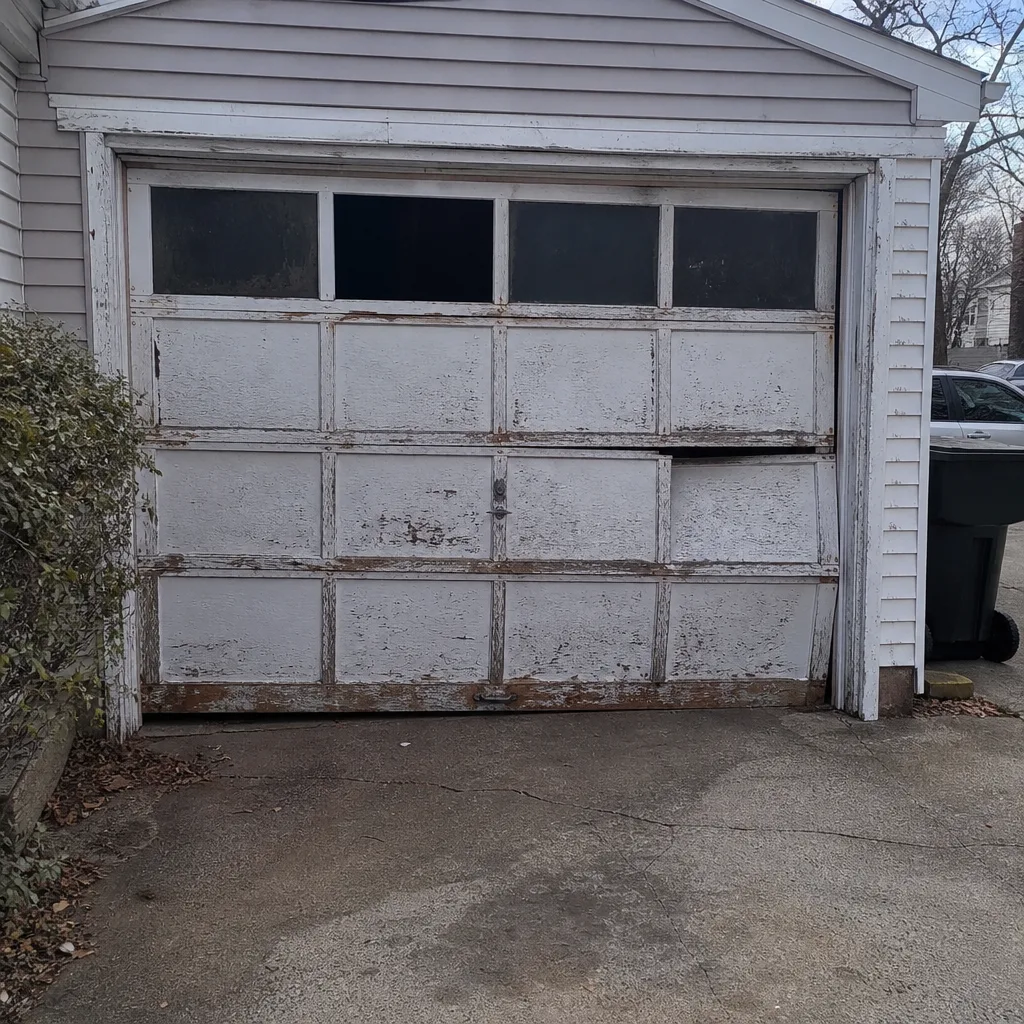 Before
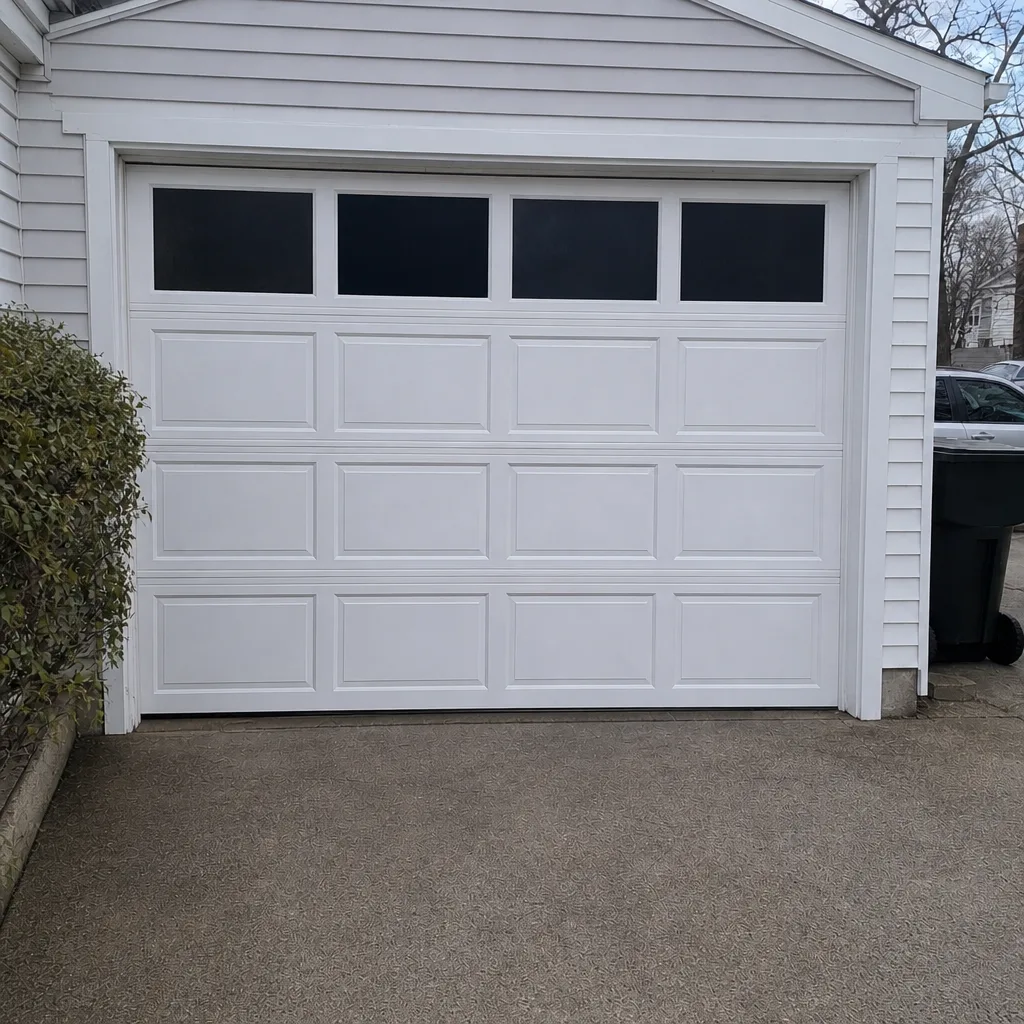 After
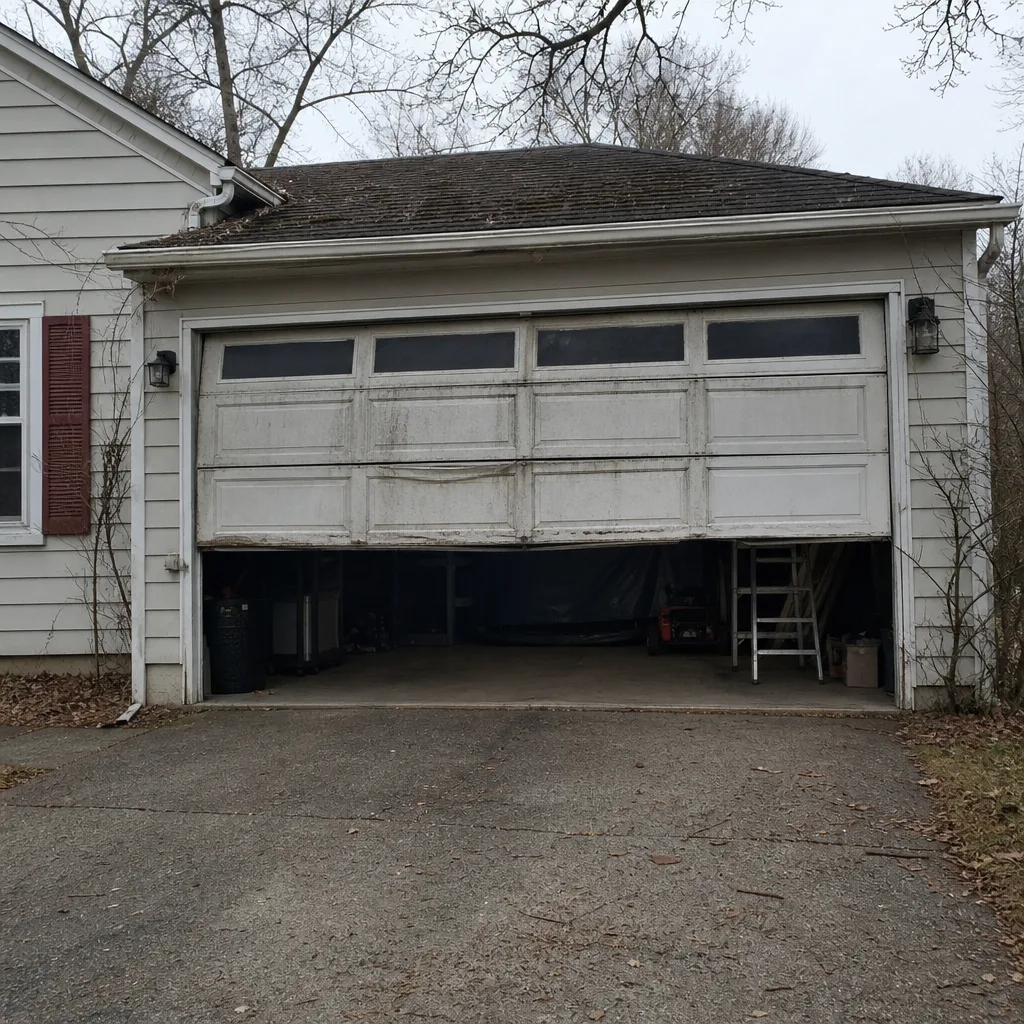 Before
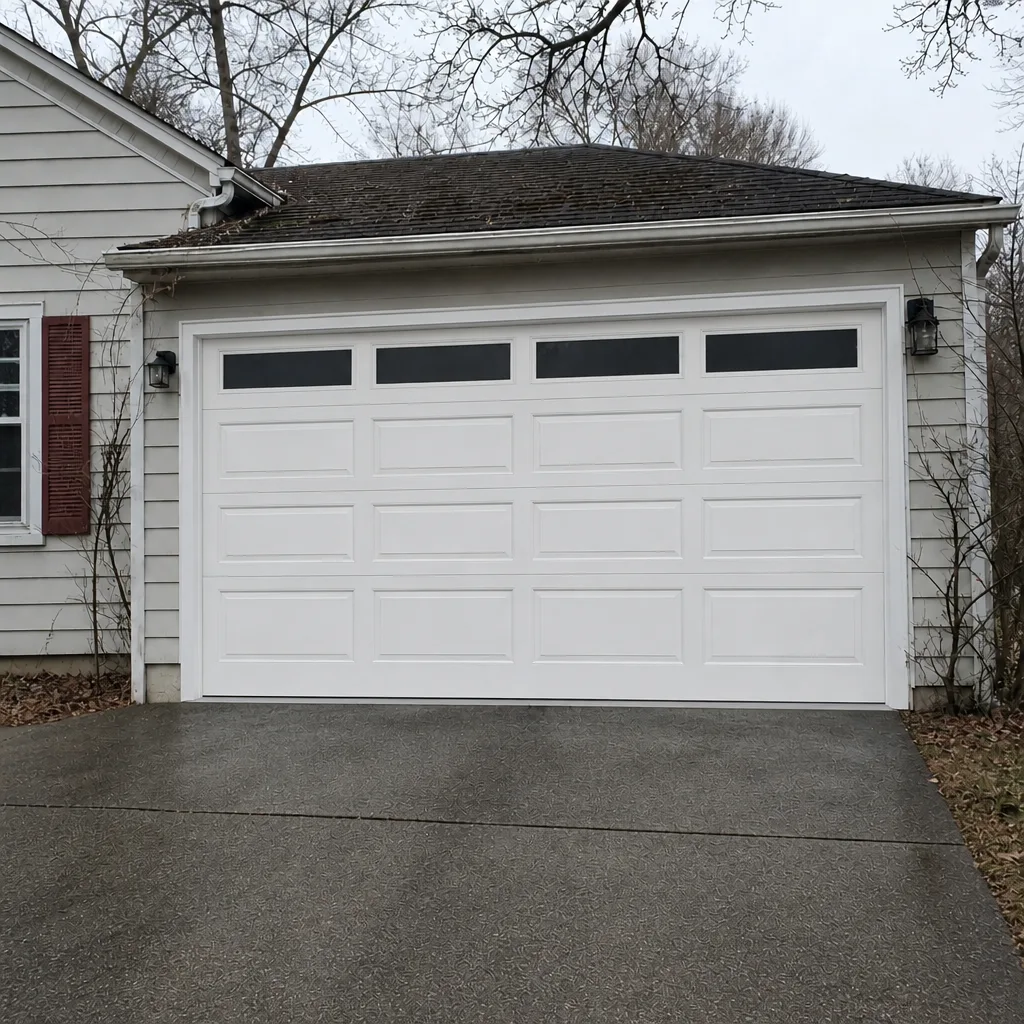 After
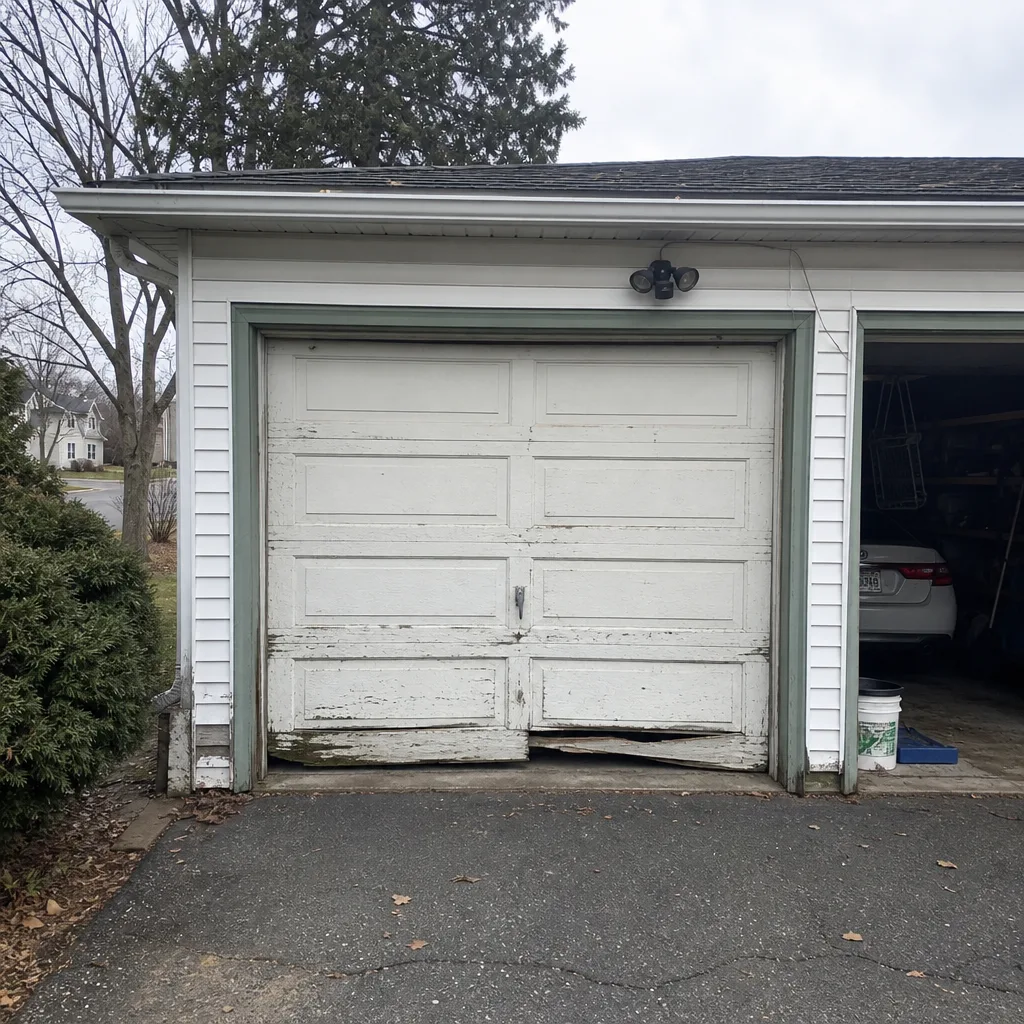 Before
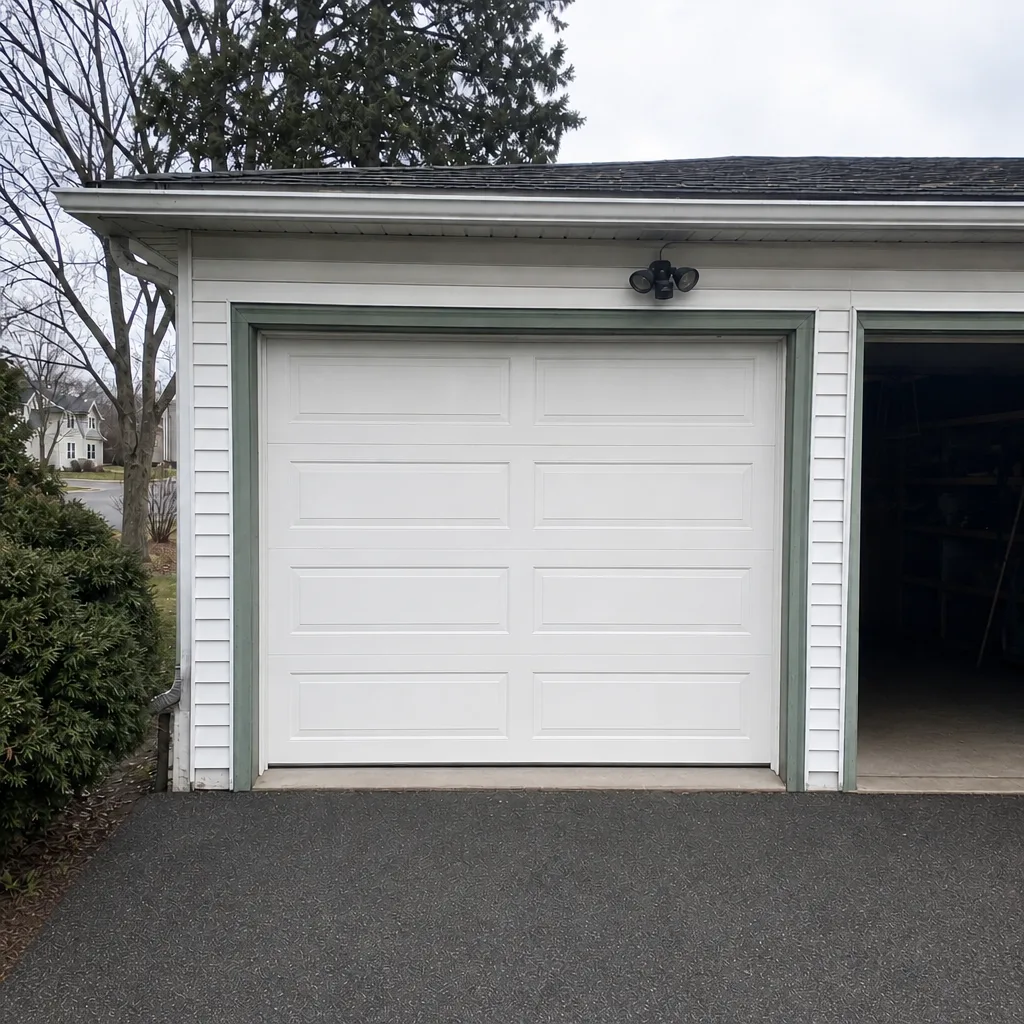 After